For someone who likes putting environmental values into everyday practice, useful gifts can support habits they already enjoy, from tending seedlings to reducing disposable cups.
These Christmas gifts for environmentalists span indoor and outdoor gardening, composting, birdwatching and reusable drinkware, with options for different spaces and routines.
11 practical gift ideas for environmentalists
EPICA 1.3-Gallon Countertop Compost Bin
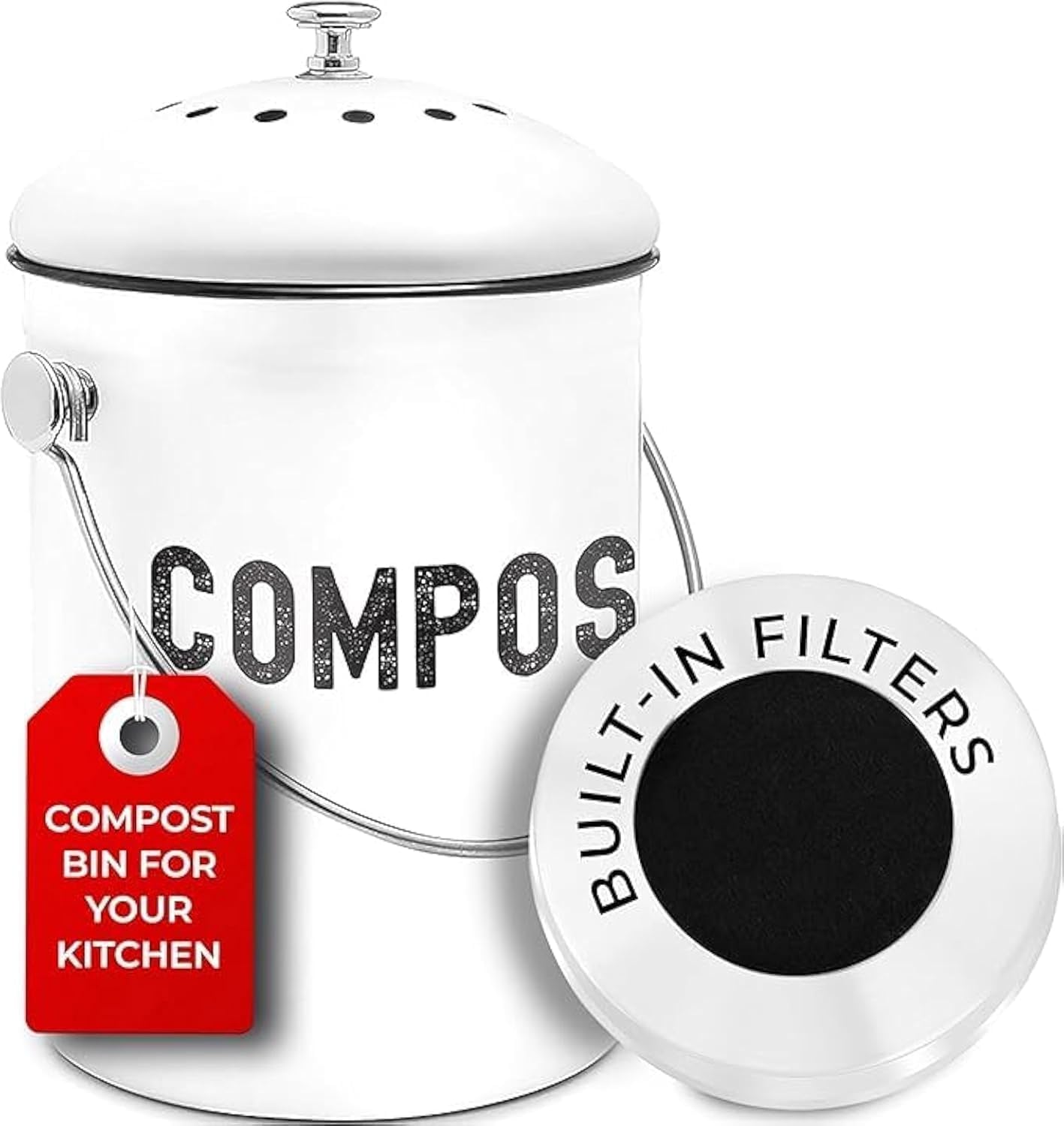
- A 1.3-gallon capacity suits collecting kitchen scraps on the counter.
- The airtight lid and replaceable activated-charcoal filter help control kitchen odors.
- The one-piece molded bin resists rust and leaks, and is easy to clean.
Best Gift For: A home cook who wants a dedicated place for food scraps before composting.

Redmon 65-Gallon Outdoor Compost Bin
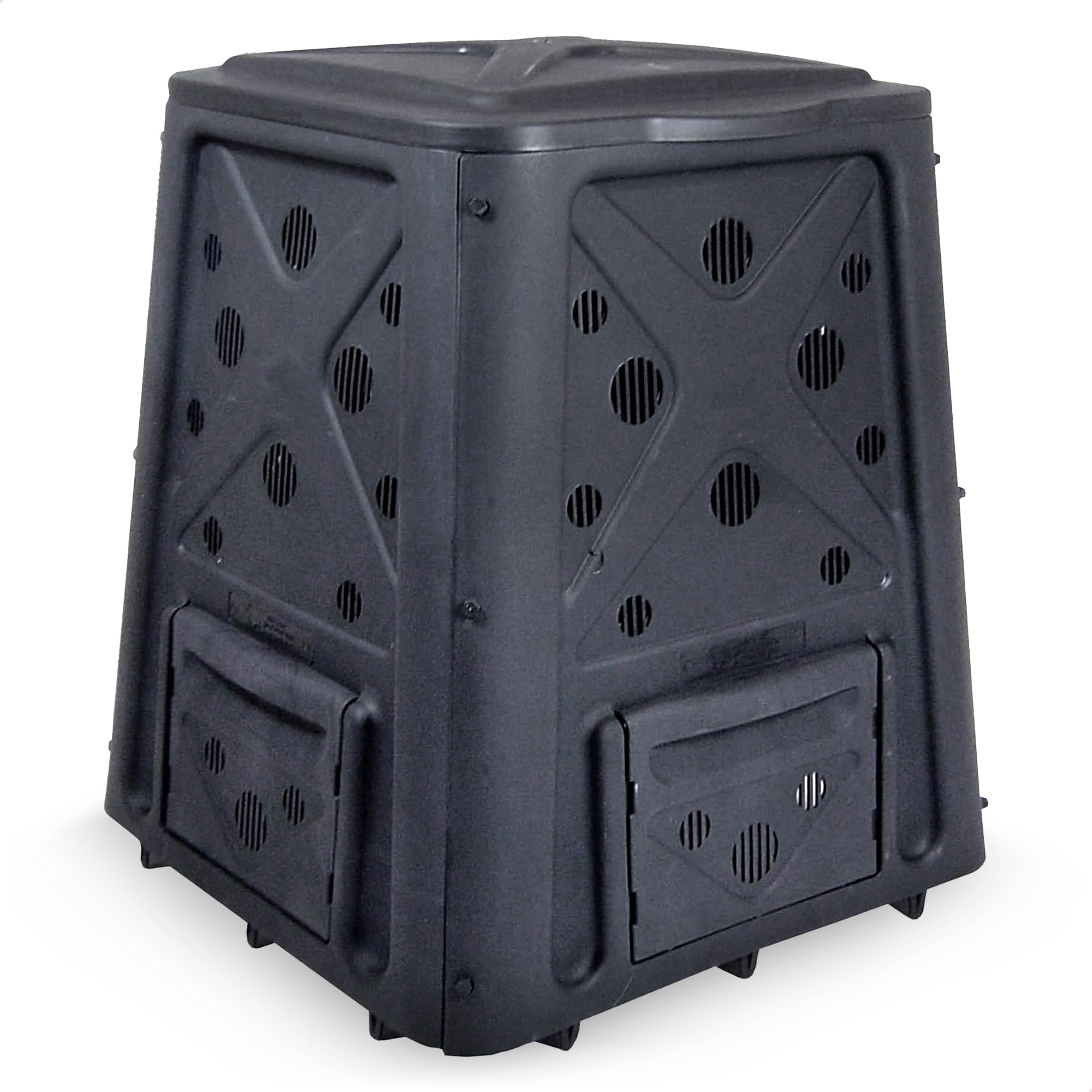
- Made with 80 percent recycled materials.
- A lift-off lid and four-door access make it easier to reach the contents.
- The 65-gallon capacity is intended for outdoor composting.
Best Gift For: A gardener with outdoor space who wants to turn organic scraps into garden compost.
iDOO 12-Pod Hydroponic Herb Garden
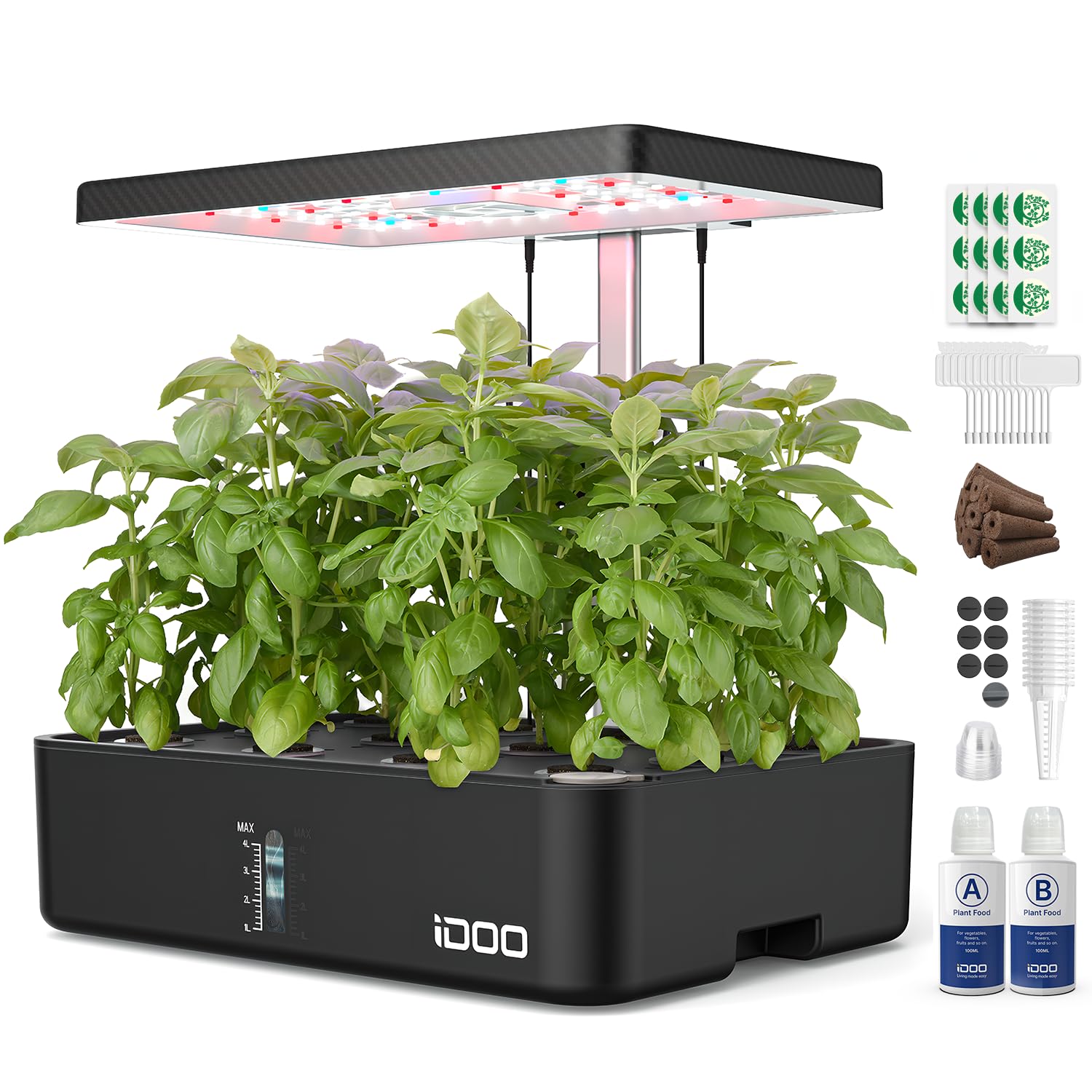
- The indoor garden grows 12 plants at once.
- The 22-watt LED light has two modes: one for vegetables and one for flowers and fruit.
- The lighting height adjusts for plants at different growth stages.
Best Gift For: A plant lover who wants to grow herbs indoors at home, school or the office.
Best Choice Products Elevated Raised Garden Bed
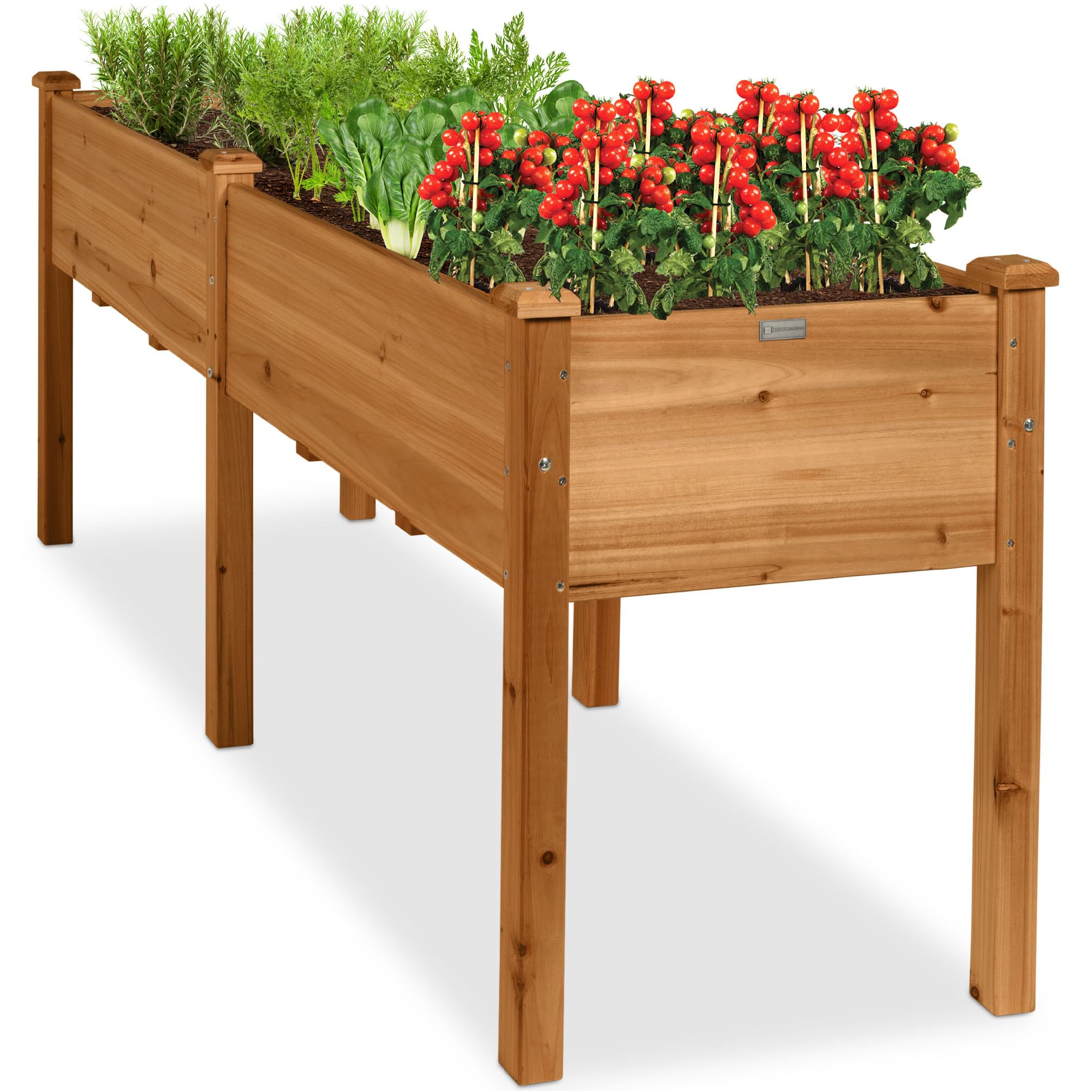
- The 30-inch tall design allows tending without bending or kneeling.
- A divider panel is included.
- Six drainage holes let excess water escape from the bed.
Best Gift For: A gardener setting up a backyard, patio or balcony planting space.
Athlon Optics Midas UHD 8x42 Binoculars
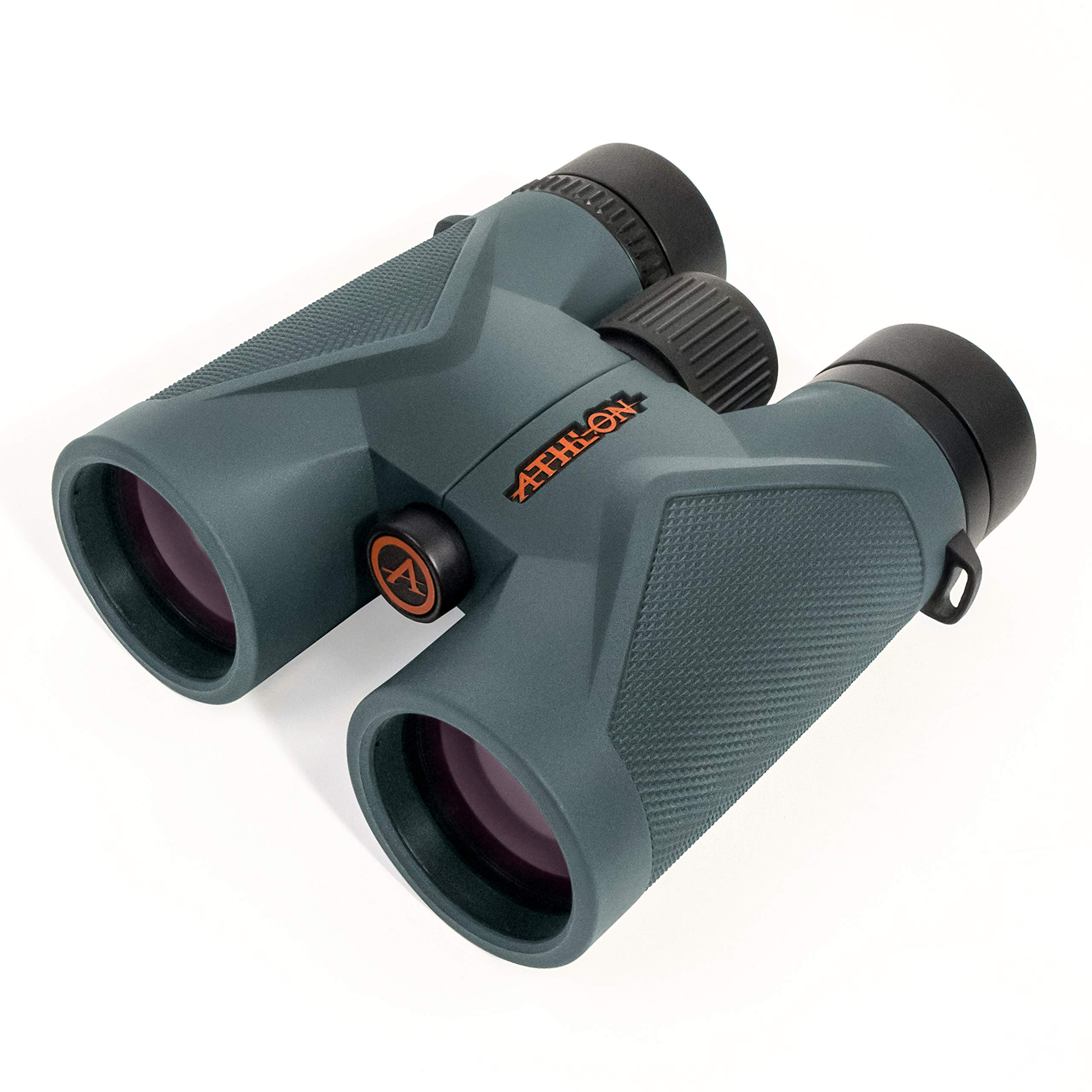
- ED glass helps produce an image with little or no chromatic fringe.
- Fully multi-coated lenses support light transmission and brightness.
- Long eye relief can help eyeglass wearers see the entire field of view.
Best Gift For: A birdwatcher who wants binoculars for watching wildlife outdoors.
Pocket Hose 50-Foot Expandable Garden Hose
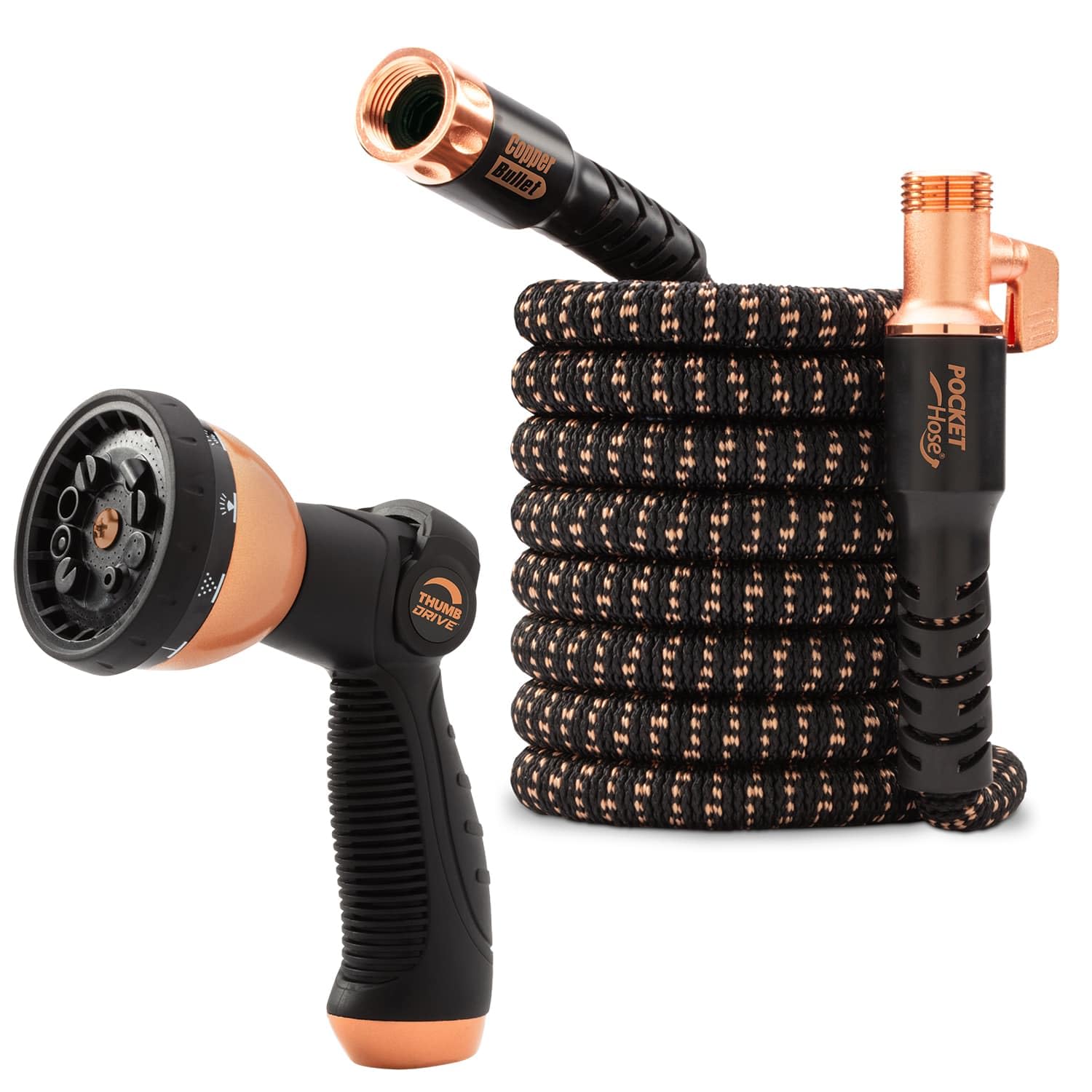
- The hose expands under water pressure.
- The hose comes with a 10-pattern thumb spray nozzle.
- The title identifies the hose as lead-free.
Best Gift For: A gardener who would appreciate a hose for watering outdoor plants.
Seedfactor Waterproof Seedling Heat Mat
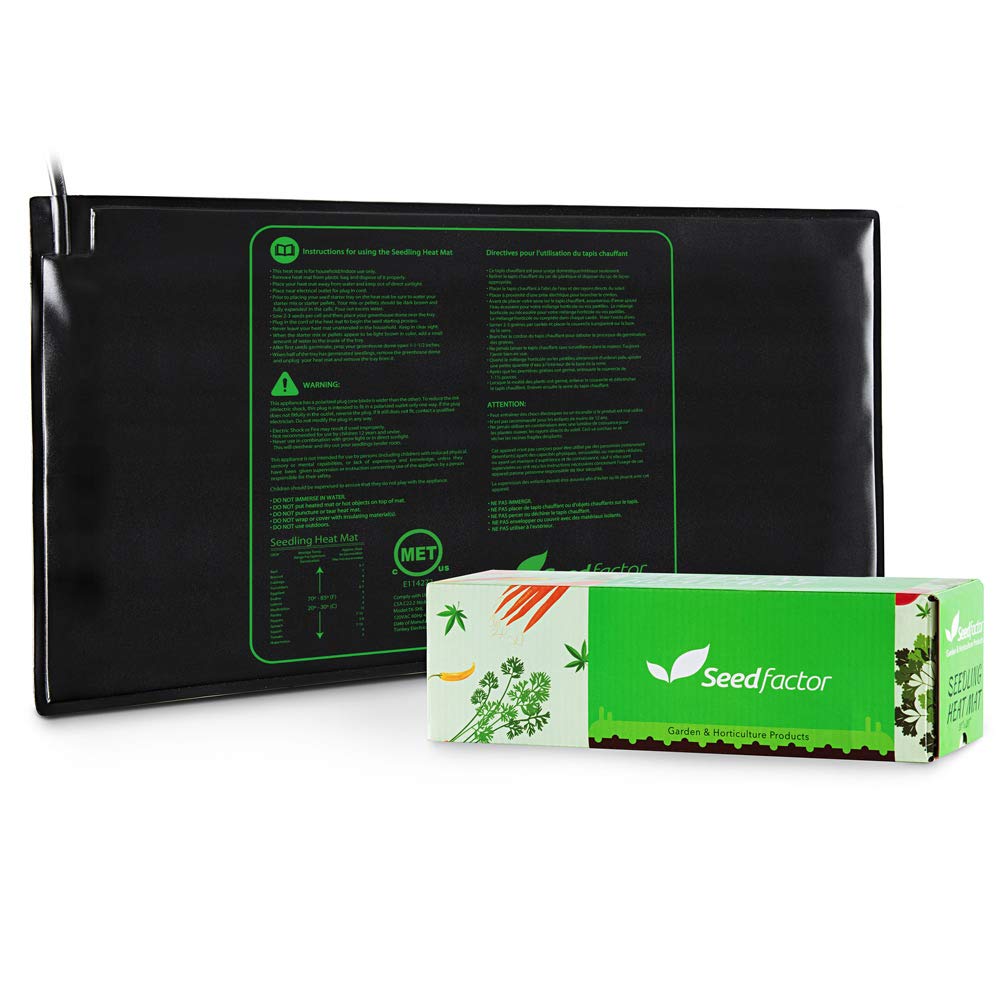
- The heat mat has waterproof construction for indoor plantings.
- The mat is available in four sizes.
- The heat mat is designed to keep the root area of seedlings between 70℉ and 85℉.
Best Gift For: A gardener who starts seedlings indoors or works on hydroponic growing.
Mr. Pen Seed Starter Tray Kit, 10-Pack
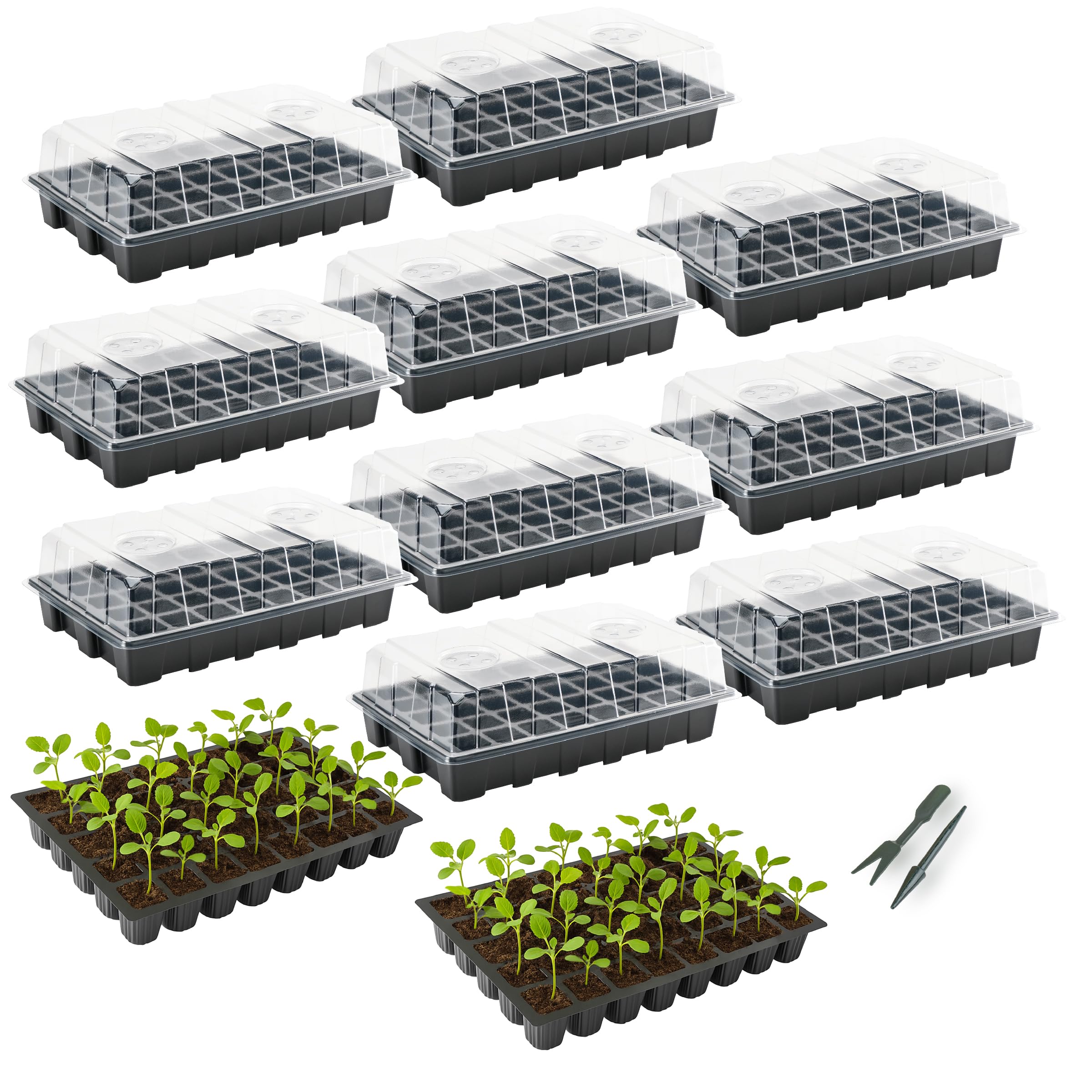
- The kit includes 10 trays with 40 cells each.
- Vented humidity domes and matching bases are included.
- Clear domes make seedlings easier to monitor as they sprout.
Best Gift For: A home gardener preparing seedlings for a garden, or someone running a classroom growing project.
Fellow Carter Move 16-Ounce Travel Mug
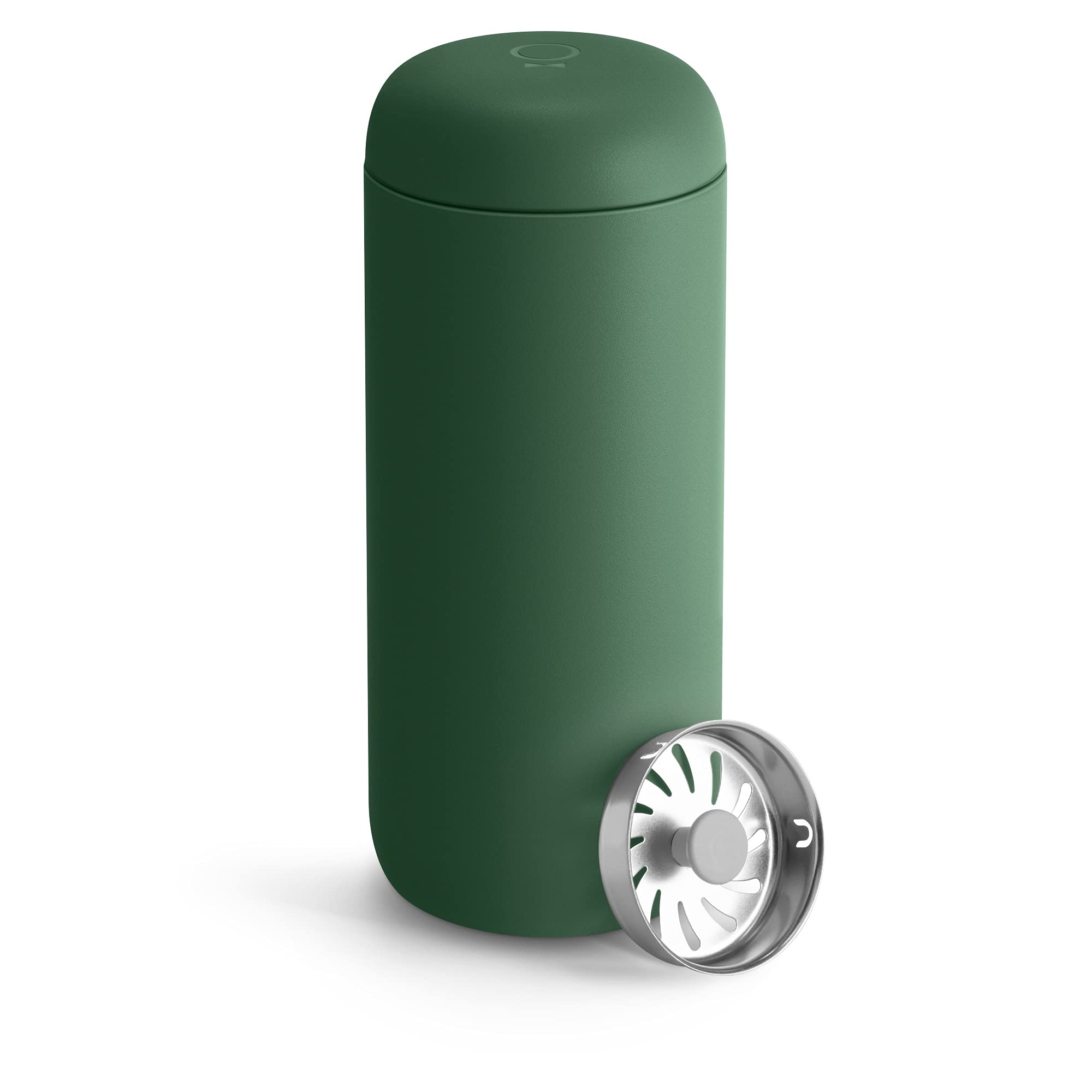
- The ceramic-coated interior is designed to keep drinks free from lingering oils, odors or metallic notes.
- A removable splash guard helps keep liquid steady when the lid is off.
- The mug is dishwasher safe for everyday cleaning.
Best Gift For: A coffee or tea drinker who wants a reusable mug for everyday travel.
OLIGHT Arkfeld Pro Rechargeable Flat Flashlight
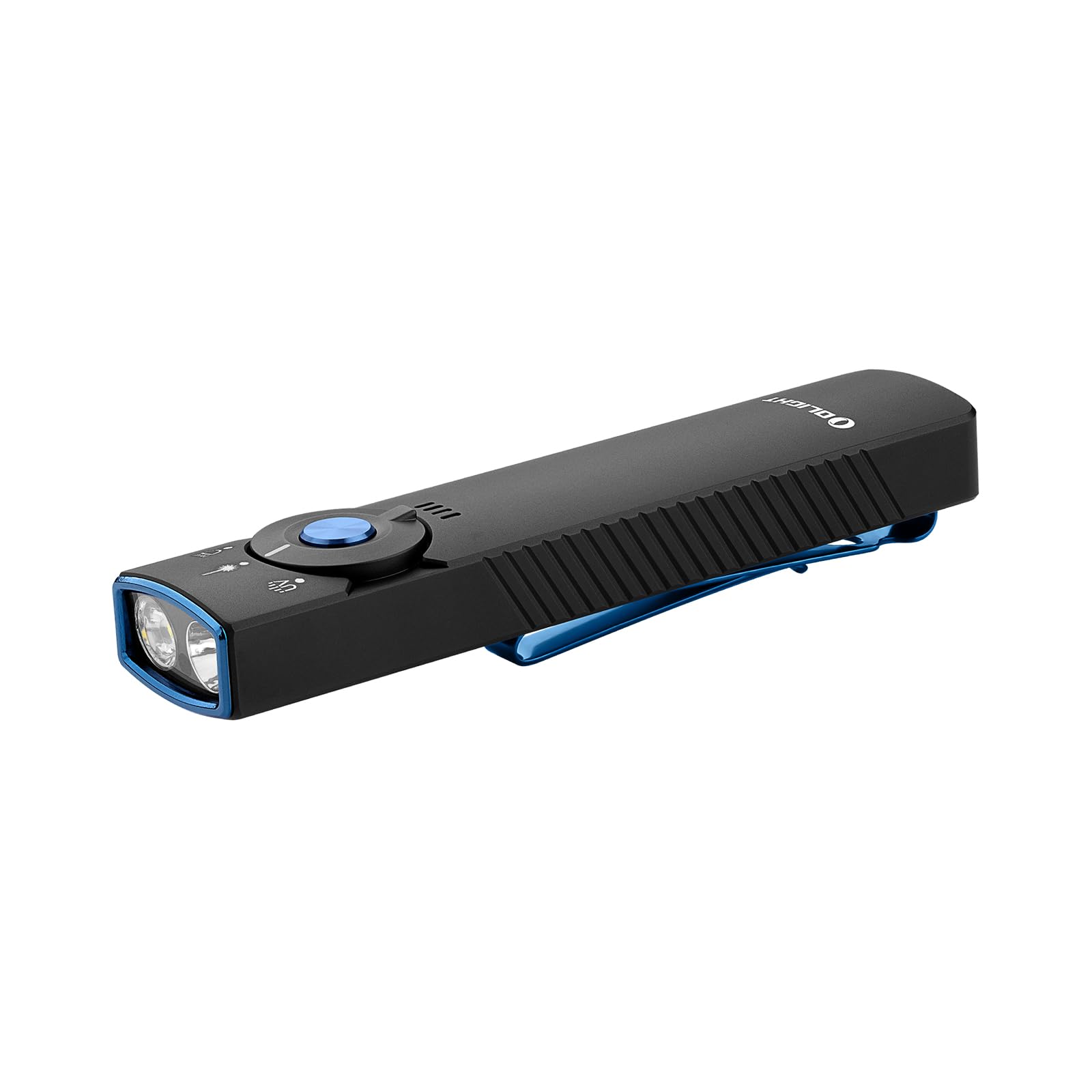
- Combines white light, UV and a green beam in one flashlight.
- The flat design fits in a pocket for daily carry.
- A five-level battery indicator shows battery status.
Best Gift For: An outdoor walker who wants a pocket light for evening outings.
EnHomee 13-Tier Plant Stand
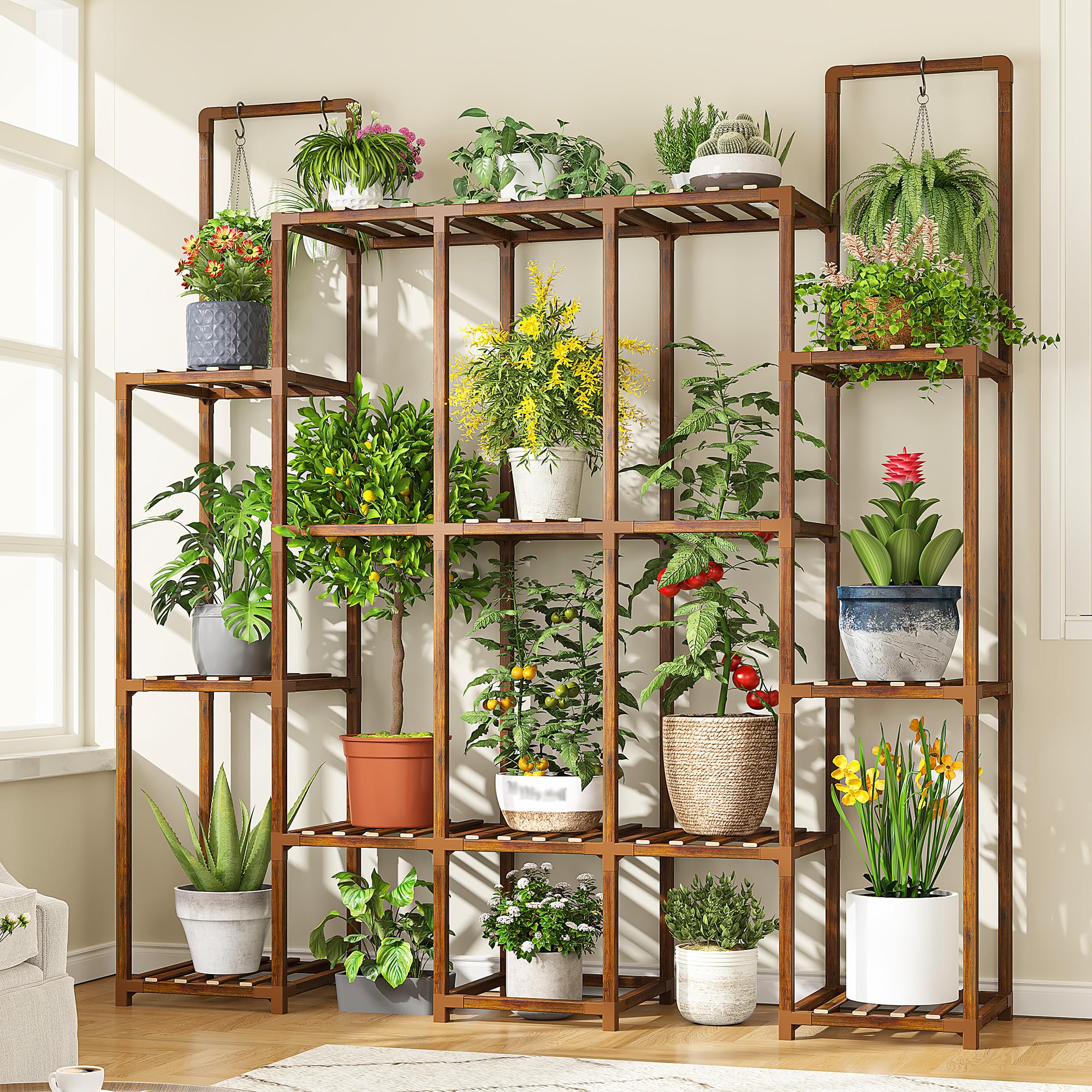
- The stand accommodates 18–22 planters, including hanging plants.
- Built-in hooks provide hanging space for trailing vines and planters.
- Its shape can be reconfigured to suit a space.
Best Gift For: A plant enthusiast looking to display a collection indoors or on a patio.
Choosing Christmas gifts for environmentalists
Start with the recipient’s existing habits and space. For someone who already separates food scraps, a countertop bin may fit an apartment kitchen, while a person with a garden and room outdoors may appreciate a larger composting setup.
Christmas gifts for environmentalists feel most useful when they support a routine the recipient can actually maintain.
Think about what happens after the gift is opened. A seed-starting kit or indoor growing system suits someone who enjoys tending plants, while a raised bed needs a place to sit and room to plant.
For a birdwatcher, binoculars match a hobby they can take on local walks or visits to a natural area.
If you are unsure about the recipient’s setup, choose a gift that fits into an established routine. Reusable drinkware can accompany regular coffee or tea runs; a plant stand can help someone organize pots they already own.
A question about their garden, kitchen or favorite outdoor activity can reveal more than guessing at a new hobby.
Balance the budget with the whole gift
Keep the budget qualitative and consider how much setup the gift involves. Small growing accessories may be approachable choices, while larger garden structures or equipment usually ask for more room and planning.
Check actual prices before buying, since costs can change, and consider whether the recipient may need anything else to use the gift comfortably.
Some gifts make sense as part of a thoughtful bundle. Seed trays can pair with seeds the recipient has chosen, while a compost bin might go with a simple note about local composting options.
For a larger item, a card promising help with assembly or setup can add practical value without adding more equipment.
For a reusable item, consider whether it will be easy to carry and clean as part of the recipient’s routine. Before purchasing, check dimensions and compatibility with anything they already use.
That small bit of planning can make a modest present feel more personal and help avoid buying something that sits unused.
Personalize the gift and presentation
For Christmas gifts for environmentalists, personalization can come from the recipient’s own interests rather than a generic sustainability theme. A note with the name of a nearby birding trail, a favorite herb to grow, or a recipe that uses garden produce connects the gift to a specific pleasure.
Keep the message warm and avoid implying that one purchase alone makes a major environmental difference.
Presentation can be useful, too. Wrap smaller items in reusable fabric or paper the recipient can recycle where accepted, and add a handwritten card explaining why you chose it.
For a bulky garden gift, a printed photo or simple sketch can make the idea tangible before the recipient decides where it belongs.
If the recipient is experienced, respect their preferences. Gardeners often have plans for varieties, soil and layout, and birdwatchers may already know the gear they like.
When in doubt, a gift receipt or a conversation about their next project gives them room to adapt the present to their own approach.
Last-minute advice for Christmas gifts for environmentalists
For a last-minute choice, focus on gifts that need little coordination. A travel mug or compact everyday item may be simpler to give than a raised bed that needs a permanent spot.
Still, check the current product details, dimensions and compatibility before ordering, especially when the gift must fit a particular kitchen, garden or bag.
Delivery estimates can change, so check the latest estimate for the recipient’s address and leave time for any wrapping or setup. If the date is too close, consider giving a card with a clear plan to shop together or choose a gardening project later.
That approach can be more considerate than rushing into a poor fit.
For outdoor gifts, avoid promising that an item will work in every yard or growing condition. Ask about available space and the recipient’s plans when you can.
A practical present is most welcome when it suits their habits and leaves the choices about how to use it in their hands.