Starting a lower-waste routine can feel more manageable with useful tools that fit into everyday life. These nine gift ideas cover kitchen habits, composting, and growing plants at home.
Choose a small change for someone just getting started, or a larger setup for a recipient ready to make room for composting or indoor gardening.
9 Christmas Gift Ideas for Zero Waste Beginners
EPICA Countertop Compost Bin, 1.3 Gallon
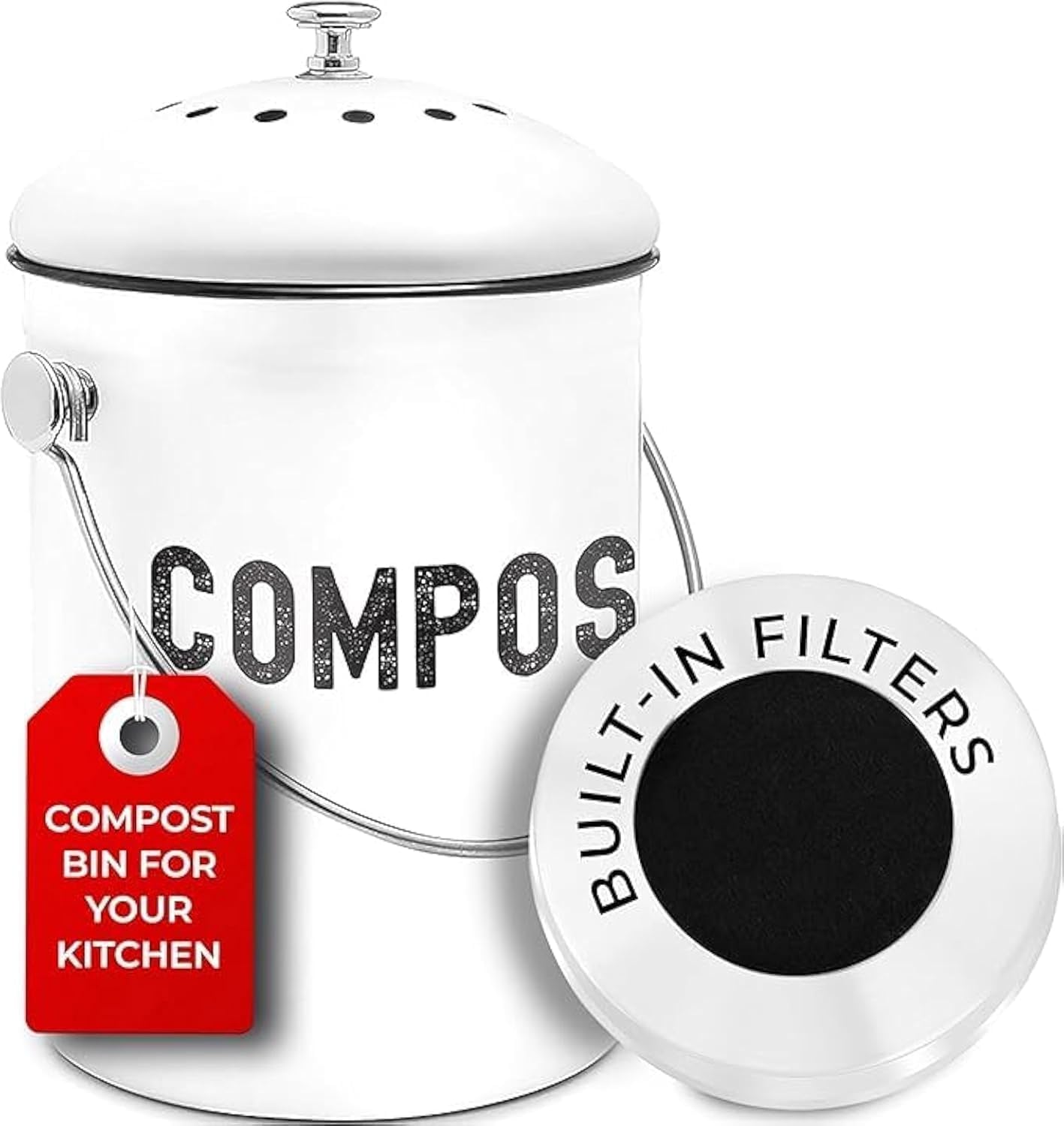
- An airtight lid and replaceable activated-charcoal filter are designed to help manage kitchen odors.
- The one-piece molded counter compost bin resists rust and leaks.
- It holds several days' worth of organic kitchen waste while fitting on a counter.
Best Gift For: A beginner who wants a dedicated place for food scraps on the kitchen counter.

Redmon Outdoor Compost Bin, 65 Gallon
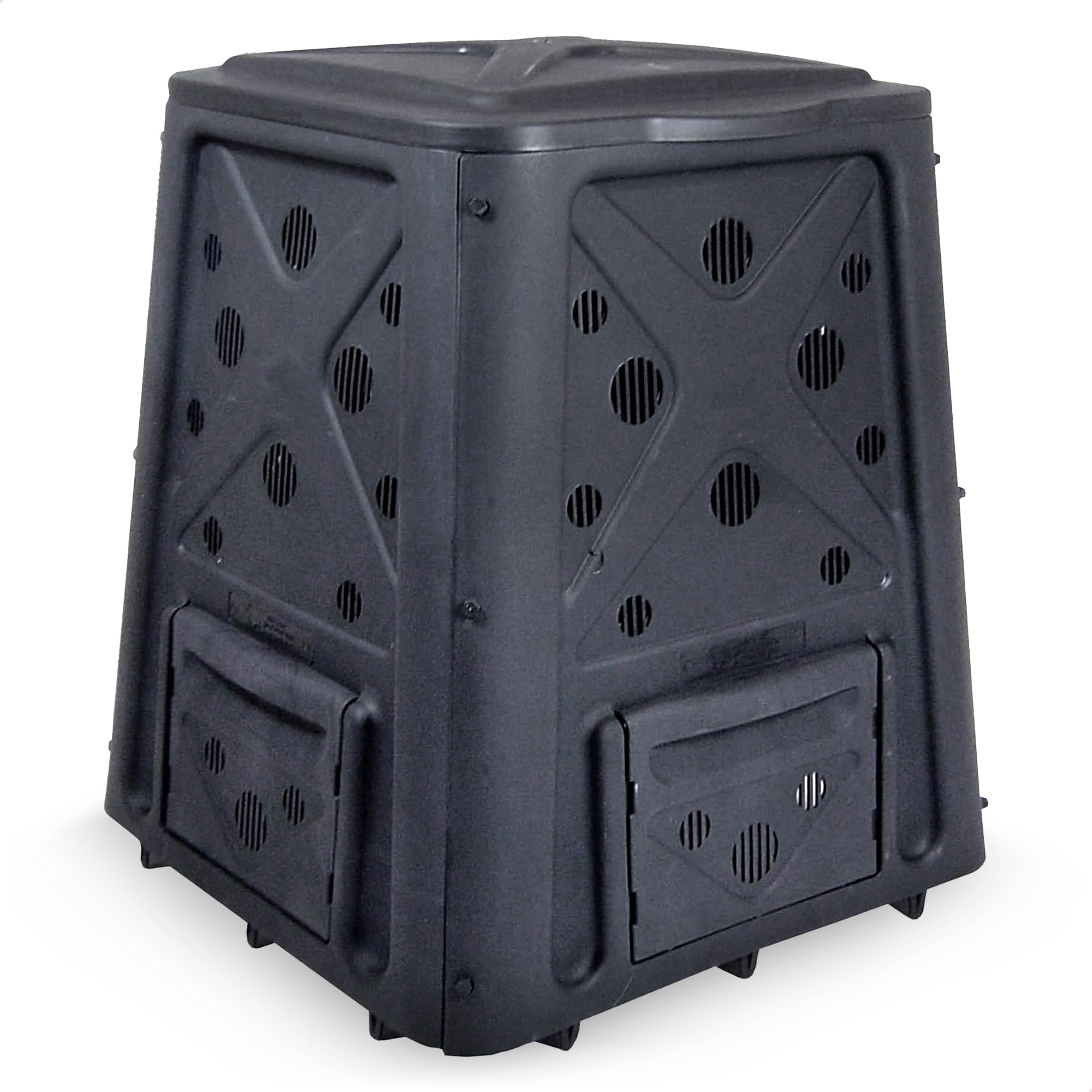
- The bin is made with recycled materials for outdoor composting.
- A lift-off lid and four-door access provide ways to reach the contents.
- It can be assembled outdoors without tools.
Best Gift For: A garden owner ready to compost outdoors and enrich garden soil.
Fellow Carter Move Travel Mug, 16 oz
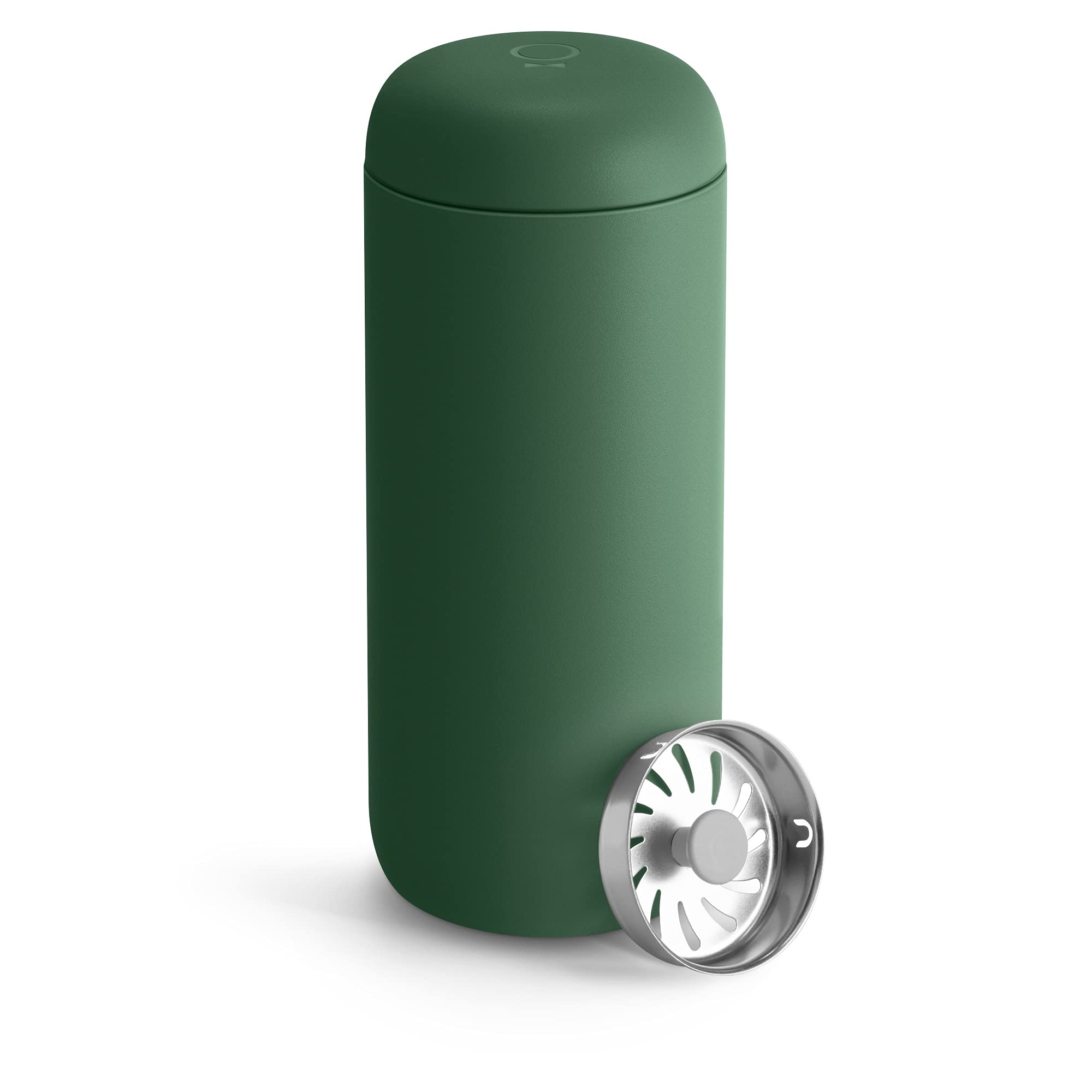
- The ceramic-coated interior is designed to keep lingering oils, odors, and metallic notes from affecting a drink's taste.
- A twist-lock lid and removable splash guard help keep liquid steady on the go.
- The mug body works with Carter Slide and Carry lids.
Best Gift For: A commuter or coffee drinker looking to carry a reusable mug for everyday drinks.
Pyrex Simply Store Glass Food Containers, 7-Pack
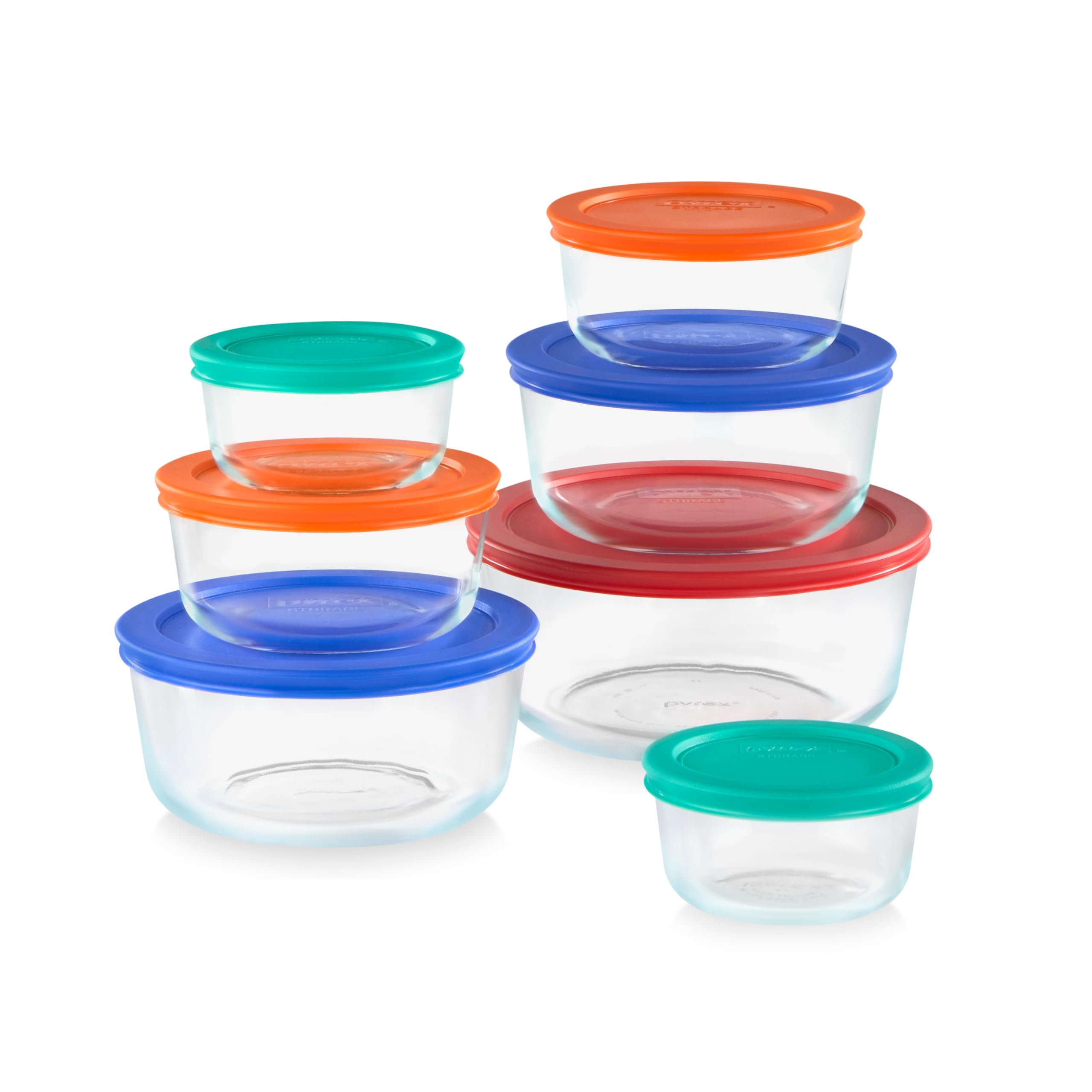
- The 7-pack includes seven round glass containers in four sizes, from 1-cup to 7-cup.
- The tempered glass resists stains and odors.
- The BPA-free plastic lids are freezer, microwave, and top-rack dishwasher safe.
Best Gift For: A home cook who wants reusable containers for meal prep and storing leftovers.
YARRAMATE Olive Oil Dispenser and Sprayer, 16 oz
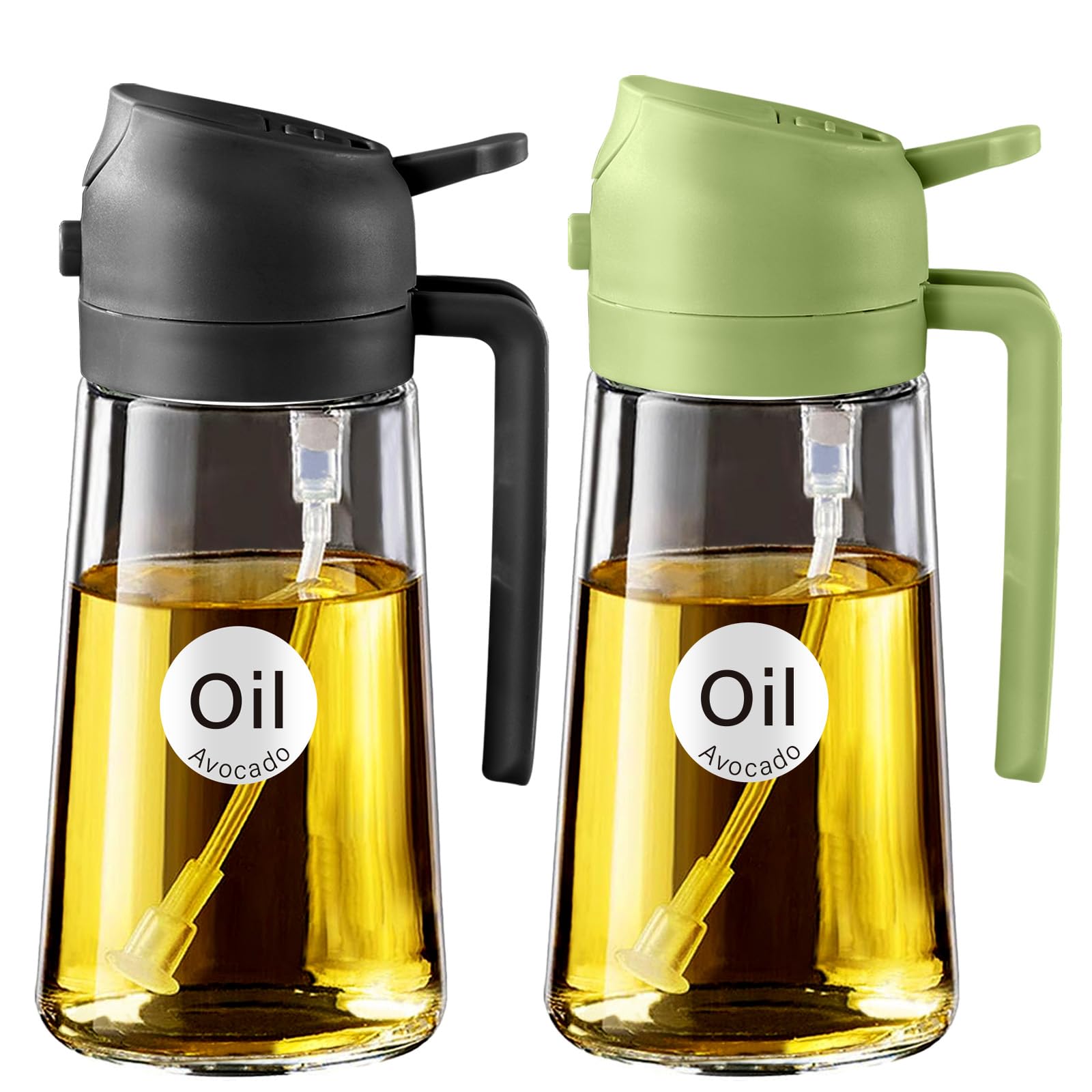
- The bottle can dispense oil by pouring or spraying.
- Its thick glass bottle can be refilled, and the wide opening makes adding oil easier.
- The transparent glass makes it easy to see the oil level.
Best Gift For: A home cook who wants a refillable oil bottle for pouring or spraying while cooking.
Hydracy 2L Reusable Water Bottle
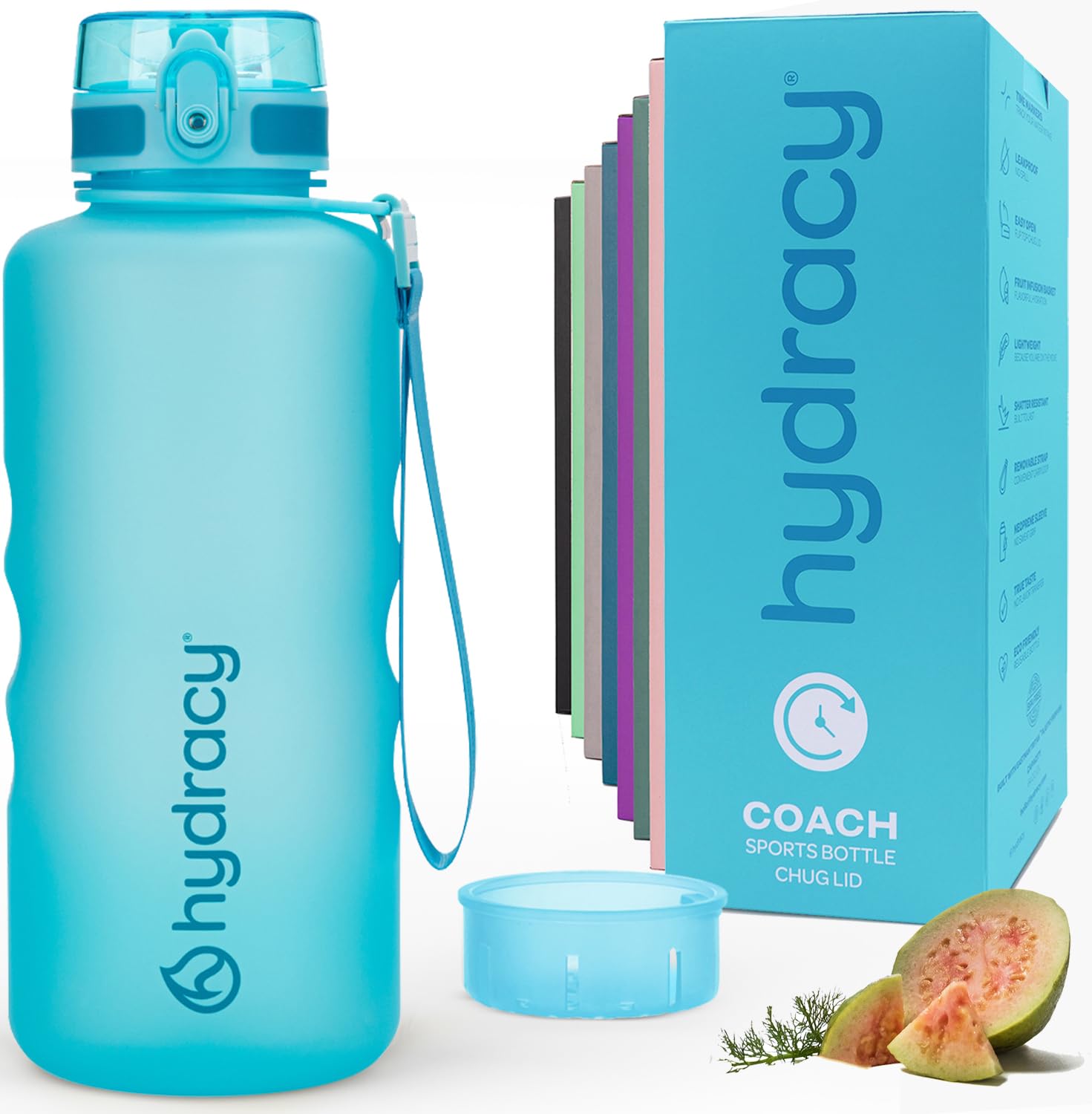
- The Tritan plastic bottle is reusable and BPA-free.
- The motivational timeline helps you know when to take your next sip throughout the day.
- It has a detachable carry strap, flip-top lid, and wide mouth.
Best Gift For: Someone who wants a reusable bottle with reminders to sip water throughout the day.
Mr. Pen Reusable Seed Starter Trays, 5-Pack
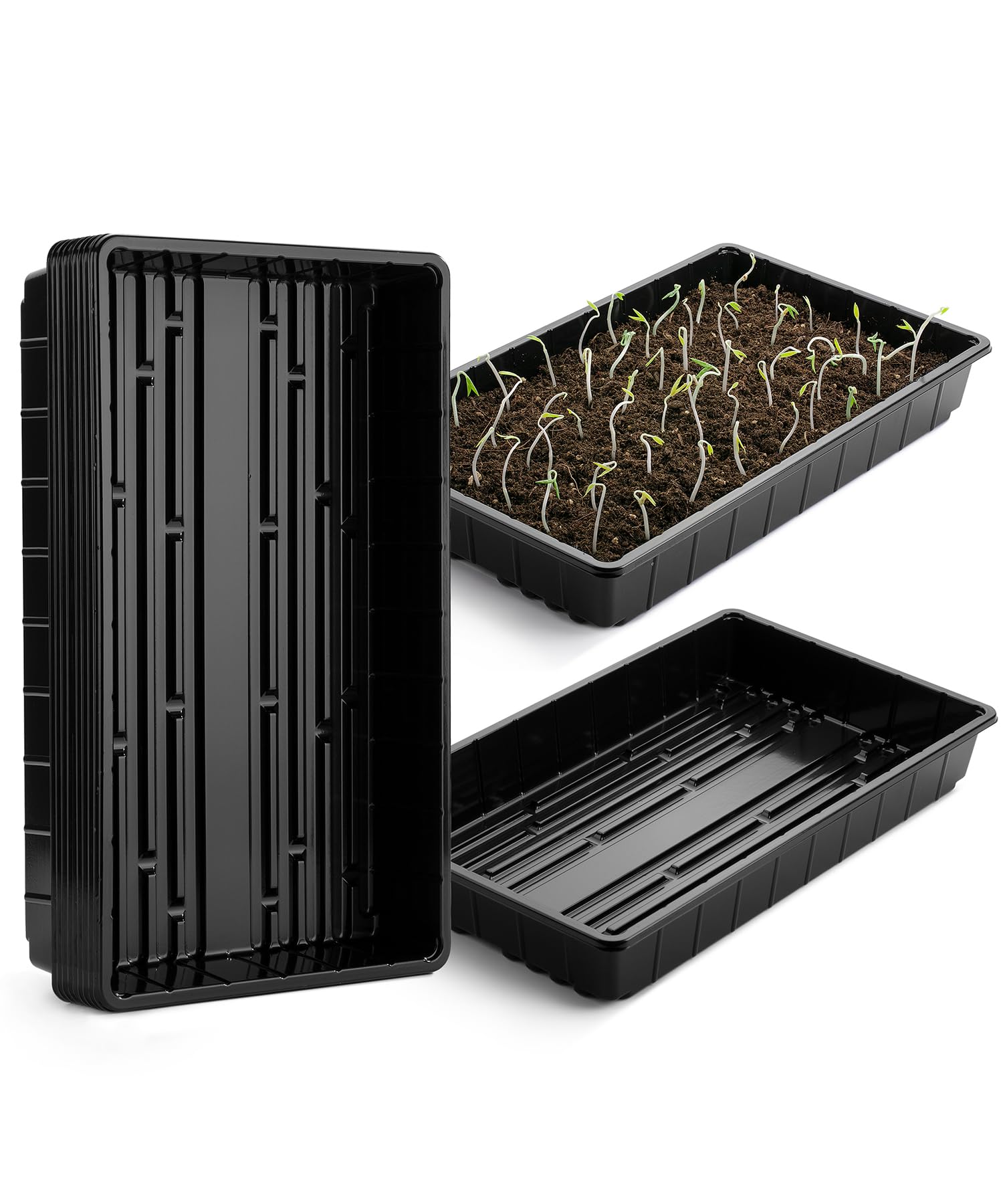
- The plastic trays are designed to be used repeatedly.
- Raised edges help contain soil, fertilizer, and water while keeping a work area neat.
- The trays can be used for seeds, sprouts, and microgreens.
Best Gift For: A beginner gardener who wants reusable trays to start plants at home.
Ahopegarden Indoor Hydroponic Growing System, 10 Pods
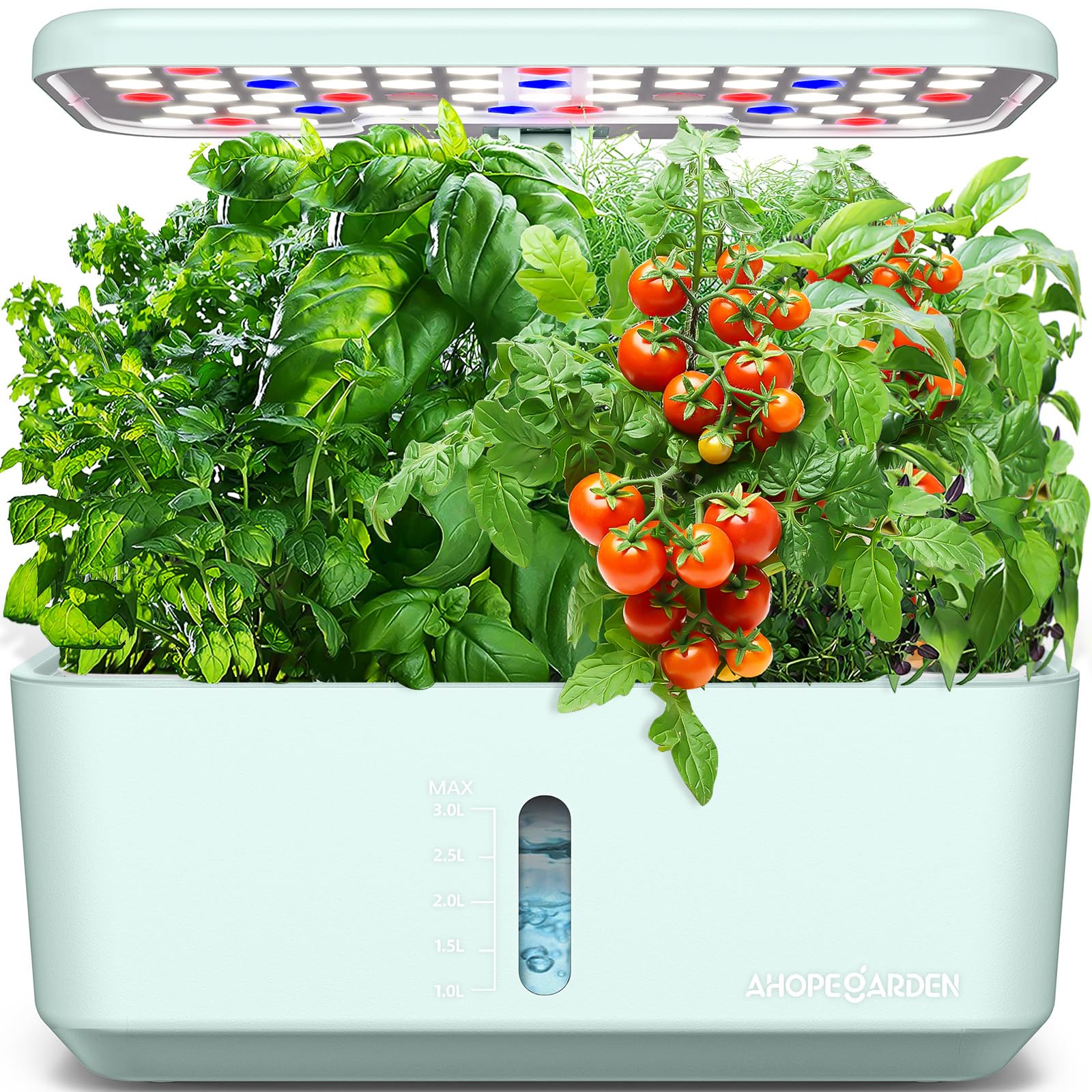
- The system includes a water reservoir, LED grow light, and water circulation system.
- A window lets you check the reservoir's water level.
- The light can be adjusted as plants grow taller.
Best Gift For: A household that wants to grow herbs and vegetables indoors year-round.
EnHomee Indoor Plant Stand, 8 Tiers
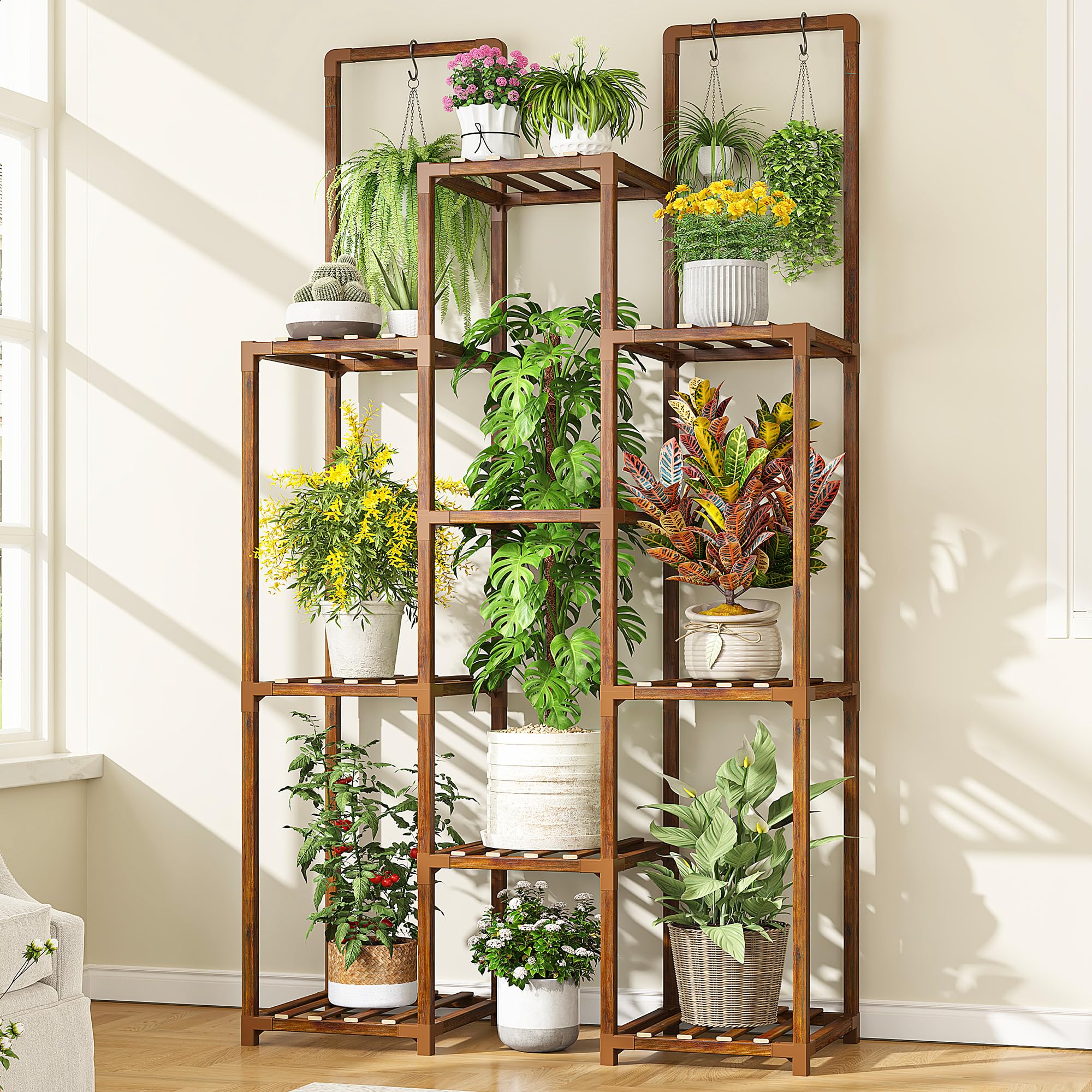
- The stand can accommodate 11–16 planters and has space for hanging plants.
- Built-in hooks provide a place for trailing vines and hanging planters.
- Its shape can be reconfigured to suit the space.
Best Gift For: Someone who wants to display and organize plants at home or on a patio.
Choosing Christmas gifts for zero waste beginners
For Christmas gifts for zero waste beginners, start with the habit the recipient already wants to build. Someone who cooks at home may appreciate tools for saving leftovers or managing food scraps, while a plant lover may be ready for seed starting or indoor herbs.
A small addition to an existing routine is often easier to use than a complete lifestyle overhaul.
Think about where the gift will live. A countertop item suits someone with room near the sink or prep area; outdoor composting calls for a garden or suitable outdoor space.
Growing trays and indoor systems need a place to set up, and a plant stand needs room that matches its footprint. A little observation can make a practical present feel personal.
Consider whether the recipient is curious or already committed. A person experimenting with composting might prefer a contained kitchen option, while an established gardener could make more use of an outdoor setup or plant display.
Match the gift to the next comfortable step rather than assuming the recipient wants to change every habit at once.
Balance budget and commitment
Set a comfortable budget before choosing, then weigh the ongoing commitment as well as the initial purchase. A container set or small reusable accessory can be an accessible introduction; larger growing or composting equipment asks for more space and attention.
The most thoughtful choice is the one likely to become part of the recipient’s routine.
A useful gift can also invite complementary purchases. A growing setup may call for seeds or nutrients, and a composting gift may make sense alongside the recipient’s existing plan for handling finished compost.
Check what is included and what they already own, so the present feels complete for their particular stage.
If you are choosing between a single-purpose tool and a more flexible one, consider the recipient’s habits. Someone who prepares meals often may use storage containers regularly, while a keen gardener may prefer equipment that supports several planting tasks.
Keep comparisons grounded in their needs, and check current prices before deciding what fits your budget.
Make the gift personal and easy to use
For Christmas gifts for zero waste beginners, a short handwritten note can connect the item to a habit the recipient cares about: saving leftovers, growing herbs, or finding a place for kitchen scraps. Keep the message warm and specific without turning the gift into a lesson.
A few lines about why you thought of them can make a practical item feel considered.
Presentation can stay simple and useful. Reusable storage containers can hold a recipe card or a favorite dry ingredient; a gardening gift can be paired with a small packet of seeds if that suits the recipient and the package contents.
Wrap in paper they can recycle where accepted, or use a cloth they can keep using.
Think about access and storage before wrapping a larger gift. If it needs floor or counter space, a note offering help with setup may be more thoughtful than adding another accessory.
For a beginner, an invitation to try the first small step together can make an unfamiliar routine feel approachable, without suggesting that they need to adopt a whole new identity.
Shop early, or make a thoughtful last-minute plan
For last-minute shopping, choose an item that fits a routine and space you already know about. If you are uncertain about a larger piece of equipment, a handwritten promise to choose it together can be more considerate than guessing.
A modest practical gift paired with a personal note can still feel complete and intentional.
Before buying, check the current product details, compatibility, dimensions, care instructions, and delivery estimate. Those checks matter for gifts that need a particular counter, shelf, garden area, or kitchen setup.
Avoid assuming a delivery date from the season or a product page; use the estimate shown when you place the order.
If arrival timing is uncertain, present a card describing the intended gift and make a plan to shop together. For an item already in hand, add a clear note about what it is and why you chose it, then leave room for the recipient to decide how it fits their home.
Thoughtful timing and a realistic fit can matter more than elaborate wrapping.
Choose a first step they will enjoy
A lower-waste routine grows through repeatable choices, so let the recipient lead. They may want to begin with carrying a reusable drink container, planning meals around leftovers, or learning to grow something at home.
A gift works best when it supports a choice that already feels appealing rather than imposing a new set of rules.
As you make the final choice, picture a normal weekday: where would the item sit, when would it be used, and who else in the household might share it? That practical test can reveal whether a gift will be convenient or become clutter.
When you are unsure, ask a low-key question about the recipient’s plans without revealing the surprise.
The goal is a useful start, not perfection. Encourage experimentation, leave room for changing preferences, and make it easy to return or exchange a gift if the fit is wrong.
A considered present can help a beginner try one manageable habit and discover what they want to do next.