Starting a lower-waste routine can be easier with practical tools for everyday habits, from sorting food scraps to carrying reusable drinkware.
These seven gift ideas for zero waste beginners under 100 span kitchen, garden, and hydration picks, with options for different interests and spaces.
7 Gift Ideas for Zero Waste Beginners
EPICA Countertop Compost Bin, 1.3 Gallon
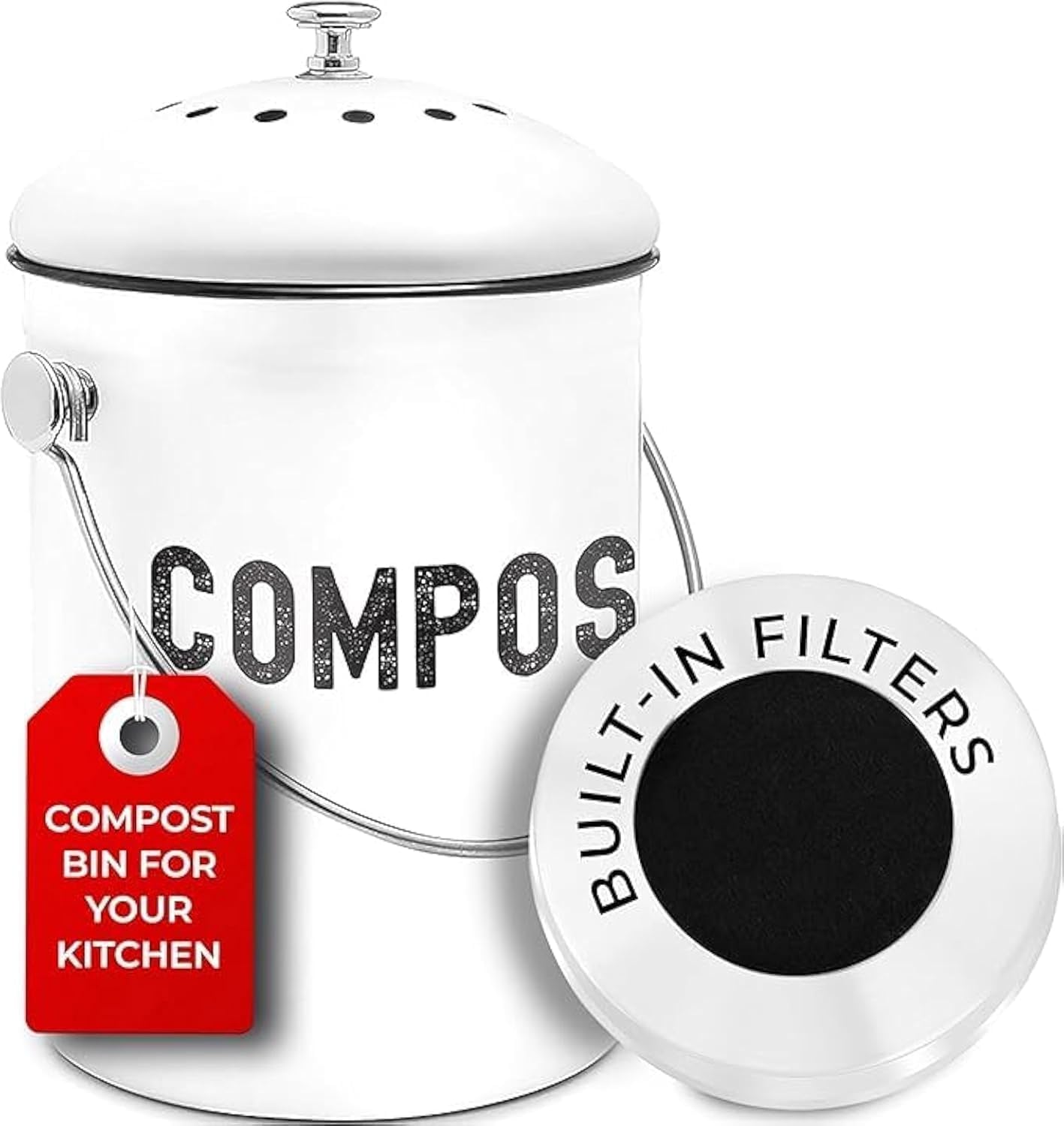
- An airtight lid and replaceable activated-charcoal filter help control kitchen odors.
- The 1.3-gallon bin can hold several days' worth of organic kitchen waste.
- The one-piece molded bin resists rust and leaks and is easy to clean.
Best Gift For: A beginner who wants a countertop spot for everyday food scraps.

FCMP Outdoor HOTFROG Rolling Composter, 19-Gallon
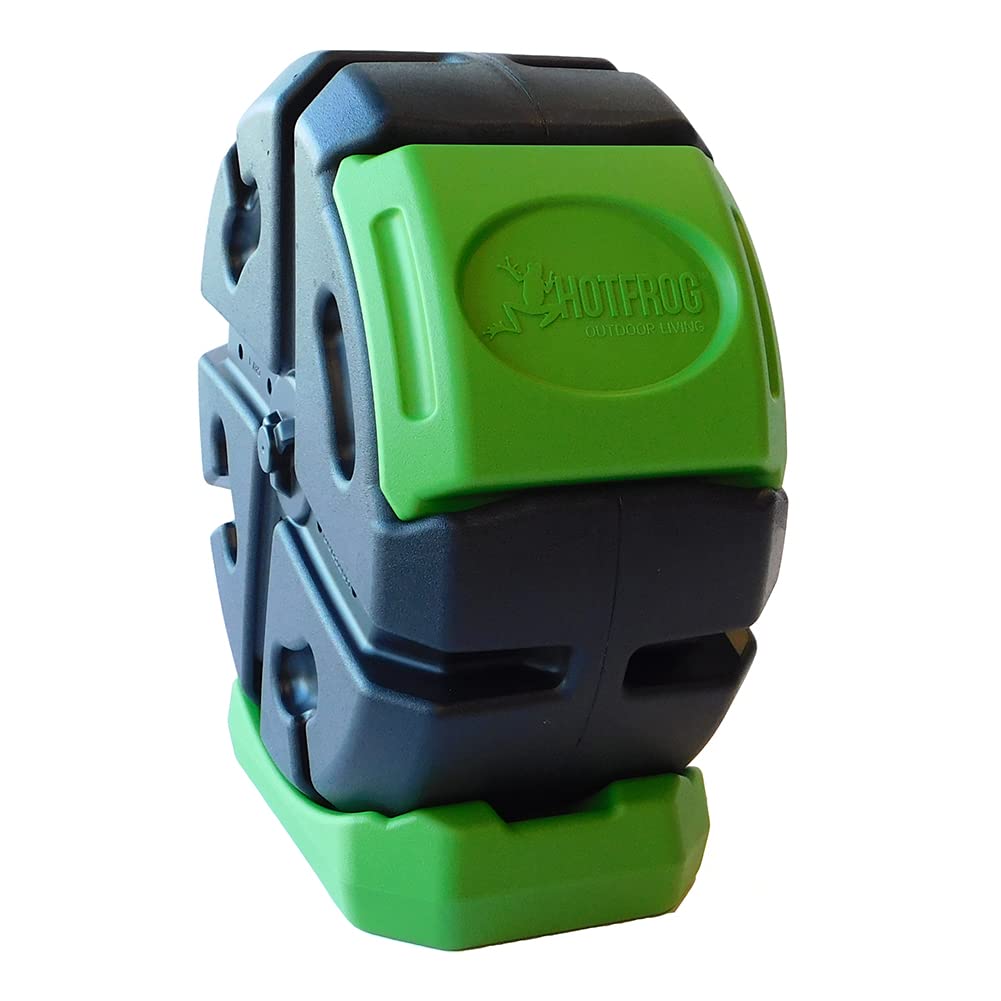
- The rolling design makes it easier to move compost where it is needed.
- Its removable door and large opening make adding scraps and removing finished compost easy.
- The composter arrives ready to use without assembly.
Best Gift For: A beginner with outdoor space who wants a rolling tumbler for composting.
Hydracy 2L Reusable Water Bottle
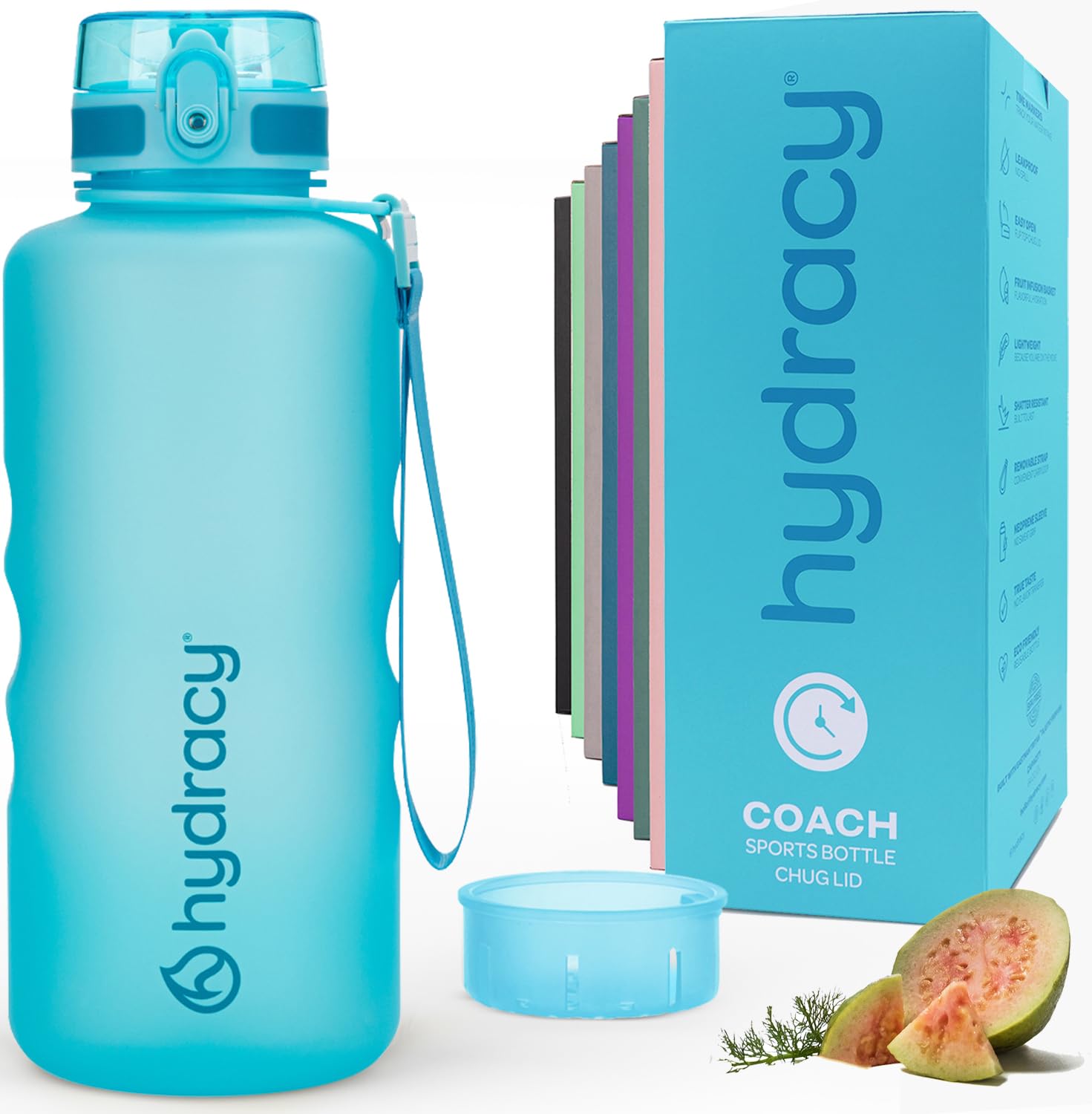
- A motivational timeline marks when to take the next sip throughout the day.
- The bottle is made from reusable, BPA-free Tritan plastic.
- A detachable travel strap and spill-proof flip-top lid support carrying it on the go.
Best Gift For: A beginner who wants a reusable bottle for fitness, cycling, hiking, or camping.
Fellow Carter Move Travel Mug, 16 oz
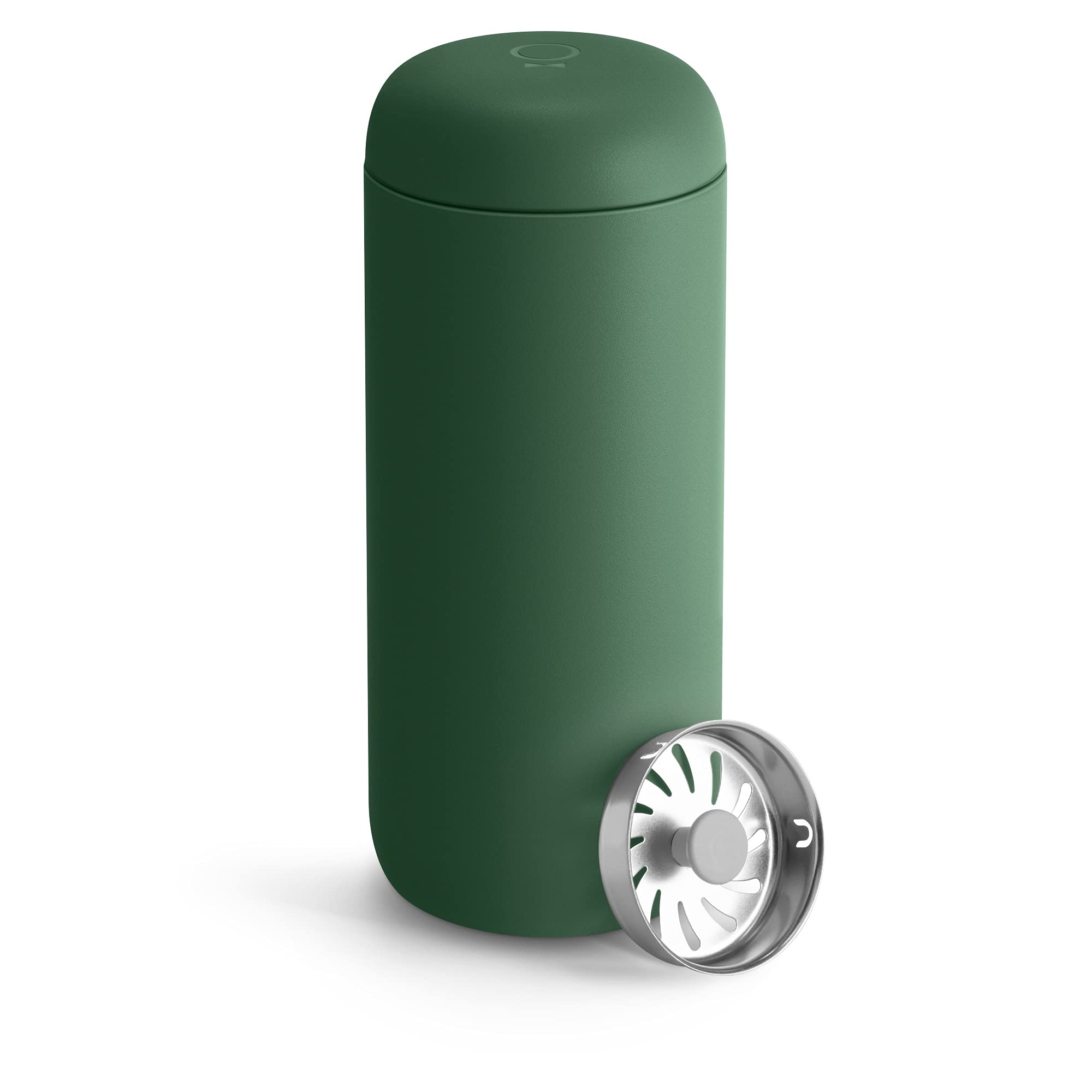
- The ceramic-coated interior helps keep drinks free from lingering oils, odors, or metallic notes.
- Its slim shape fits most car cup holders, bags, and hands.
- The mug is dishwasher safe for everyday cleanup.
Best Gift For: A coffee or tea drinker who wants a reusable mug for daily travel.
Pyrex Simply Store Glass Food Storage Set, 7-Pack
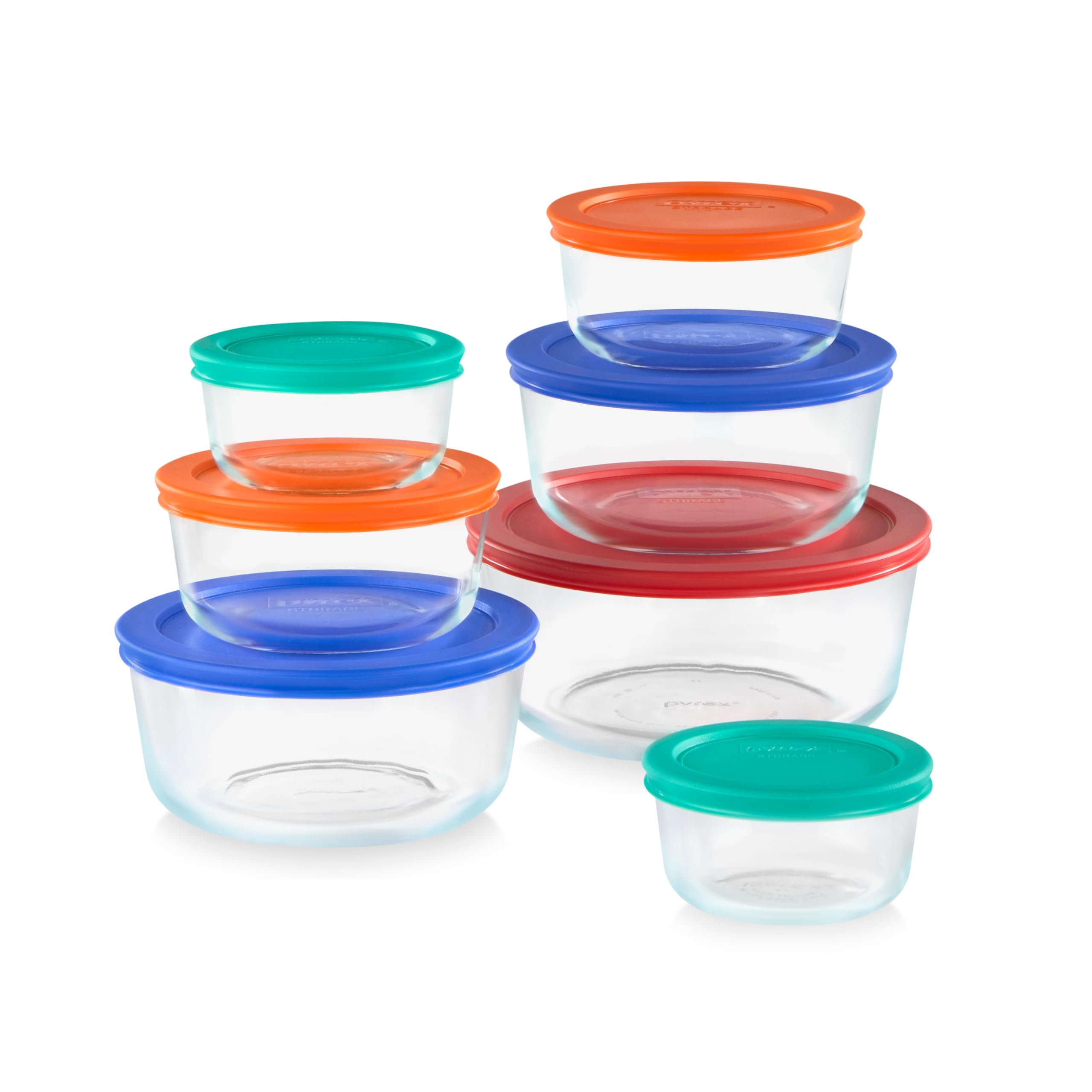
- The set includes glass containers in several sizes with lids.
- Tempered glass resists stains and odors.
- The BPA-free plastic lids are freezer, microwave, and top-rack dishwasher safe.
Best Gift For: A beginner who wants reusable containers for meal prep and leftovers.
LetPot Smart Seed Starter with Humidity Dome
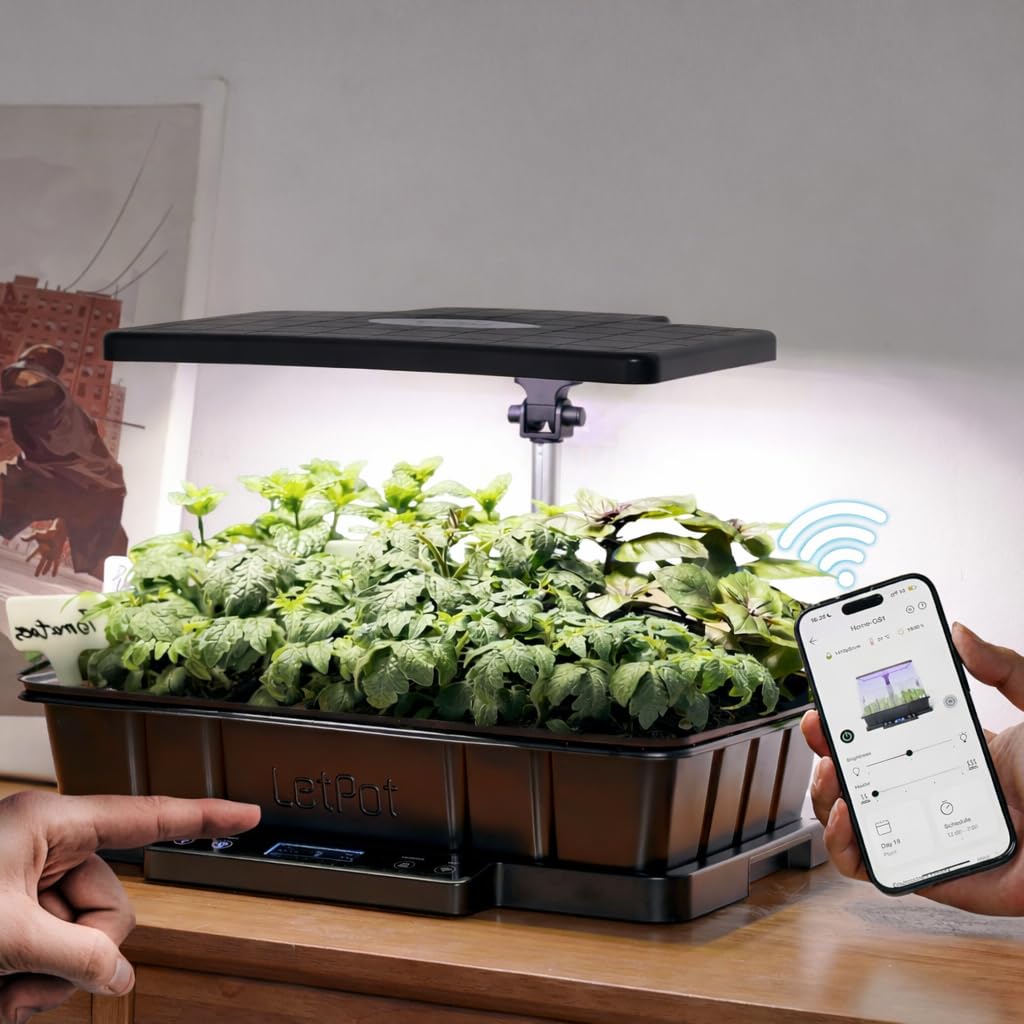
- The kit combines a grow light, heating base, humidity dome, and app control.
- The 40-cell tray works with soil, coco coir, and grow sponges.
- Included sponges allow seedlings to be transplanted without disturbing roots.
Best Gift For: A beginner who wants to start herbs, vegetables, or flowers indoors.
LETPOT LPH-Lite Hydroponics Growing System, 12 Pods
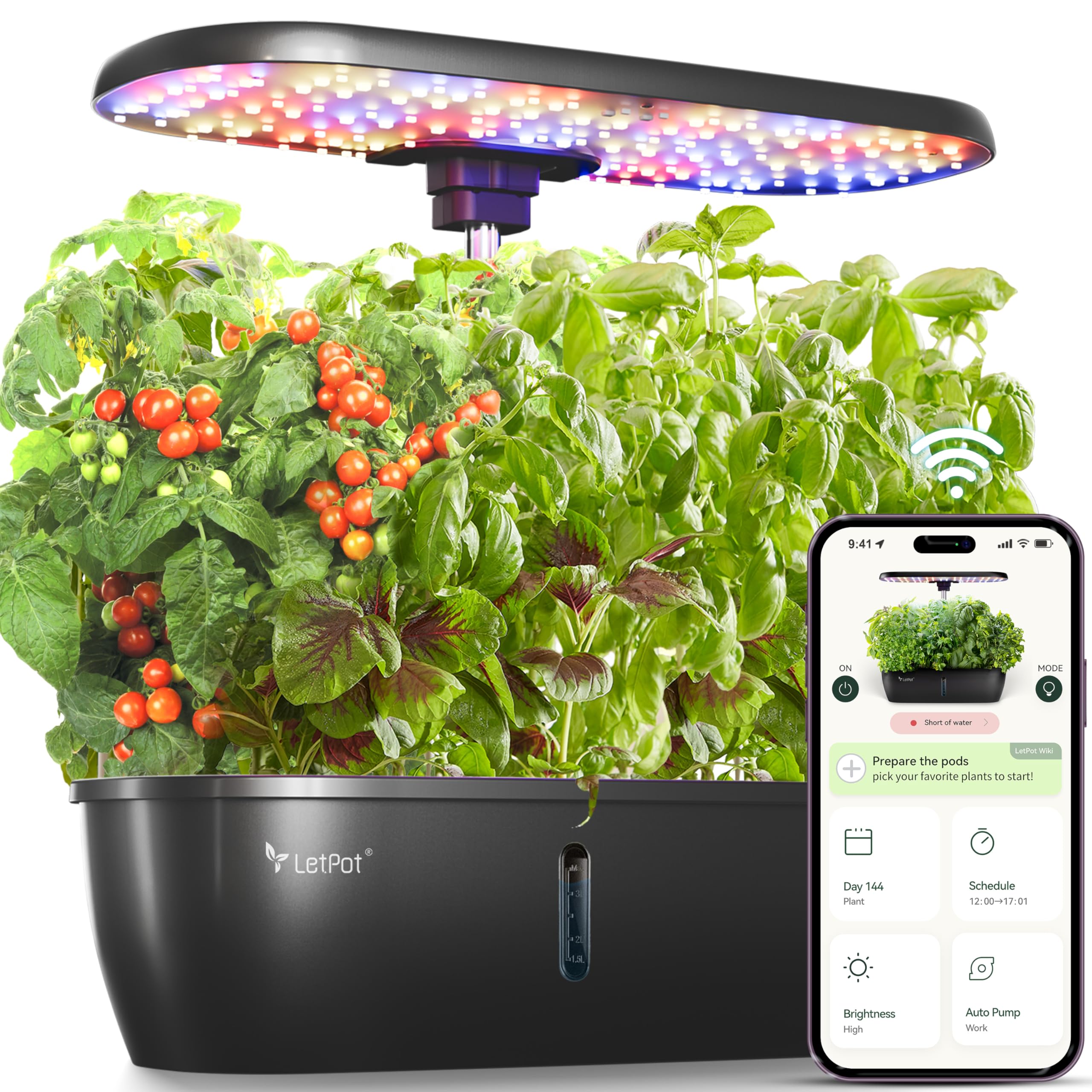
- The kit includes 12 planting pods, sponges, baskets, covers, and nutrients.
- The app lets growers customize an LED lighting schedule.
- The water tank supports up to 3 weeks of growth without refilling.
Best Gift For: A beginner who wants an indoor herb-growing setup with app control.
Choosing gifts for zero waste beginners under 100
When choosing gifts for zero waste beginners under 100, start with the recipient’s existing routine. Someone who cooks often may appreciate help managing scraps or leftovers, while a regular coffee drinker may get more use from a travel mug.
Match the gift to a habit they already have.
Consider where the item will live and how it will be used. A countertop compost bin needs a convenient place near food preparation, while outdoor composting and indoor growing call for different kinds of space.
If you are unsure, choose something that fits an established daily routine.
A useful beginner gift makes one change feel straightforward. Think about whether the person prefers a simple reusable item or enjoys learning a new home or garden routine.
A thoughtful match can invite experimentation without making a lower-waste lifestyle feel like a demanding project.
Balance budget and everyday value
A modest budget can cover a small daily-use item, while a larger spend may suit someone ready to begin a new garden or composting routine. Compare what each gift helps the recipient do and whether it fits their space, habits, and comfort with ongoing care.
Consider the full setup before buying. A gift that needs a suitable place, compatible supplies, or regular attention may call for extra planning.
Check current product details and compatibility, and account for any complementary items the recipient would need to use it as intended.
For a group gift, pooling contributions can make a more involved option practical. For an individual present, pairing a useful item with a handwritten note can feel complete without stretching the budget.
Check actual prices before deciding, since they can change over time.
Personalize gifts for zero waste beginners under 100
The best gifts for zero waste beginners under 100 reflect how the person lives. A commuter who brings drinks along may value an easy-to-carry reusable, while someone who likes tending plants may enjoy a hands-on growing project.
Add a note explaining why you thought of them.
Presentation can reinforce the purpose without adding clutter. Wrap a small item in a reusable cloth or place it in a simple bag they can use again.
For a larger or more involved gift, a short card with a few getting-started suggestions can make the first use feel welcoming.
Keep personalization practical and pressure-free. You could include a favorite recipe for using leftovers or a few seeds if suitable for the recipient’s plans, but avoid adding extras they may not need.
The gift should support their interests and leave room for them to choose their own pace.
Make the handoff easy
For a last-minute purchase, prioritize a gift with a clear use and a setup the recipient can understand. Review current delivery estimates before ordering, and leave time to choose another option if the timing does not work.
A printable note or card can explain the idea while you prepare the present.
Check dimensions, care instructions, and compatibility against the recipient’s home and habits. A compact item may suit a small kitchen, while a garden-oriented gift depends on access to a place where it can be used.
These quick checks can prevent a well-meant present from becoming inconvenient.
If you cannot confirm timing, give a small related token in person with a note about the intended gift, then arrange it once details are clear. Keep the message warm and specific: name the routine you hope it supports, and let the recipient decide whether and when to try it.
Choose a gift that fits their next step
A lower-waste routine often grows through small repeatable choices. Focus on the one the recipient is most likely to enjoy, whether that means carrying a reusable drink container, organizing food at home, or trying a bit of indoor gardening.
Familiar habits offer a comfortable starting point.
Think about maintenance as part of the gift. Some options ask for space, setup, or ongoing attention; others slot into everyday errands or kitchen routines.
Matching that effort to the recipient’s interest helps the present feel useful well after the occasion.
A considerate gift leaves the recipient in control. Share the idea, make the first use easy, and avoid presenting it as a test of commitment.
Practical encouragement can make a new habit more inviting and let the person find the approach that works for them.